
Last updated November 15, 2026
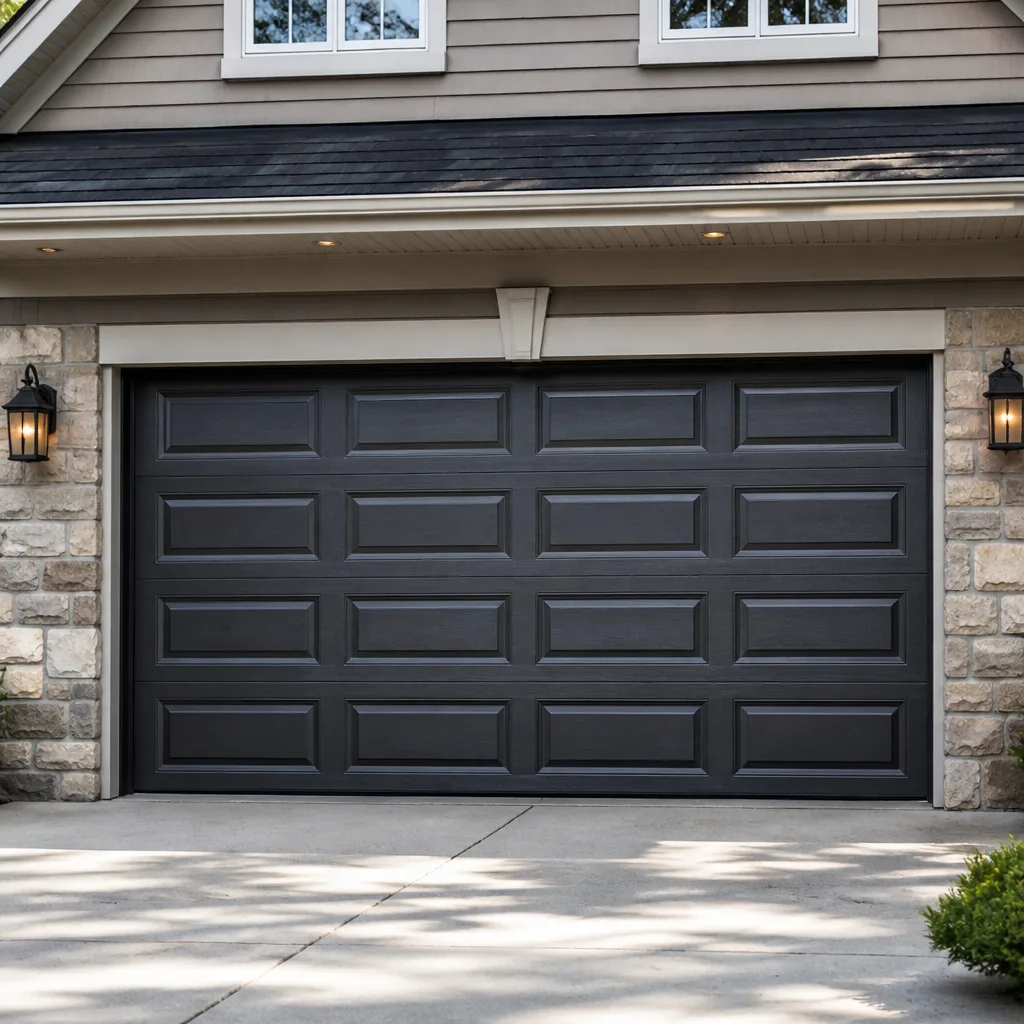 Raised-panel steel
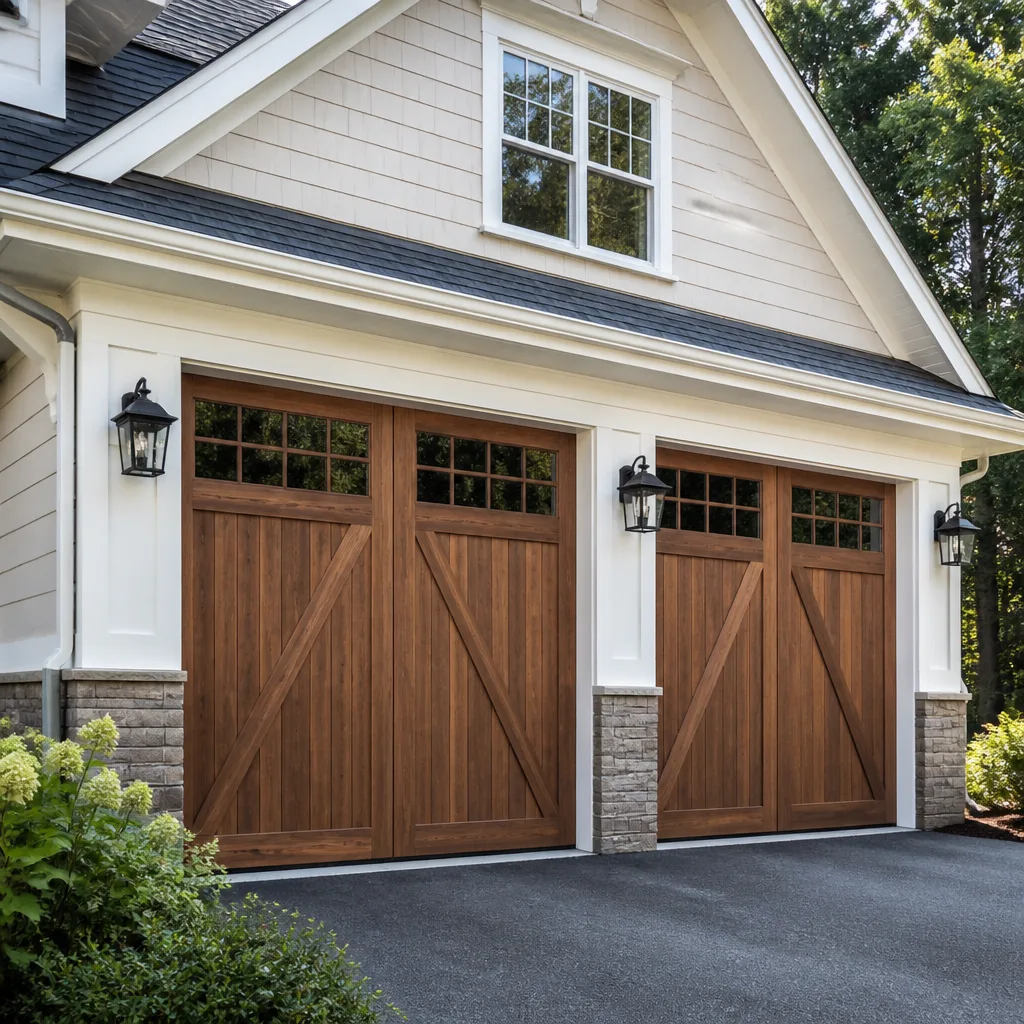 Carriage house
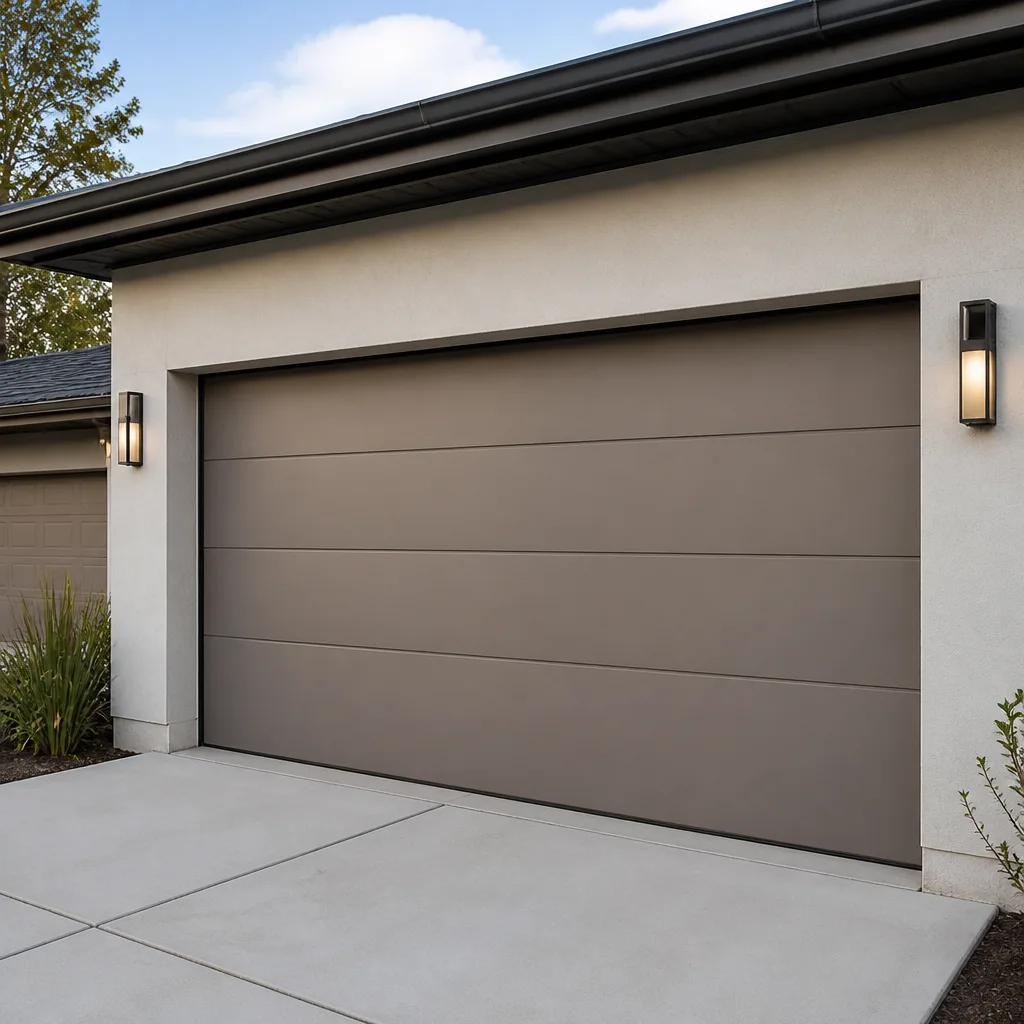 Modern flush
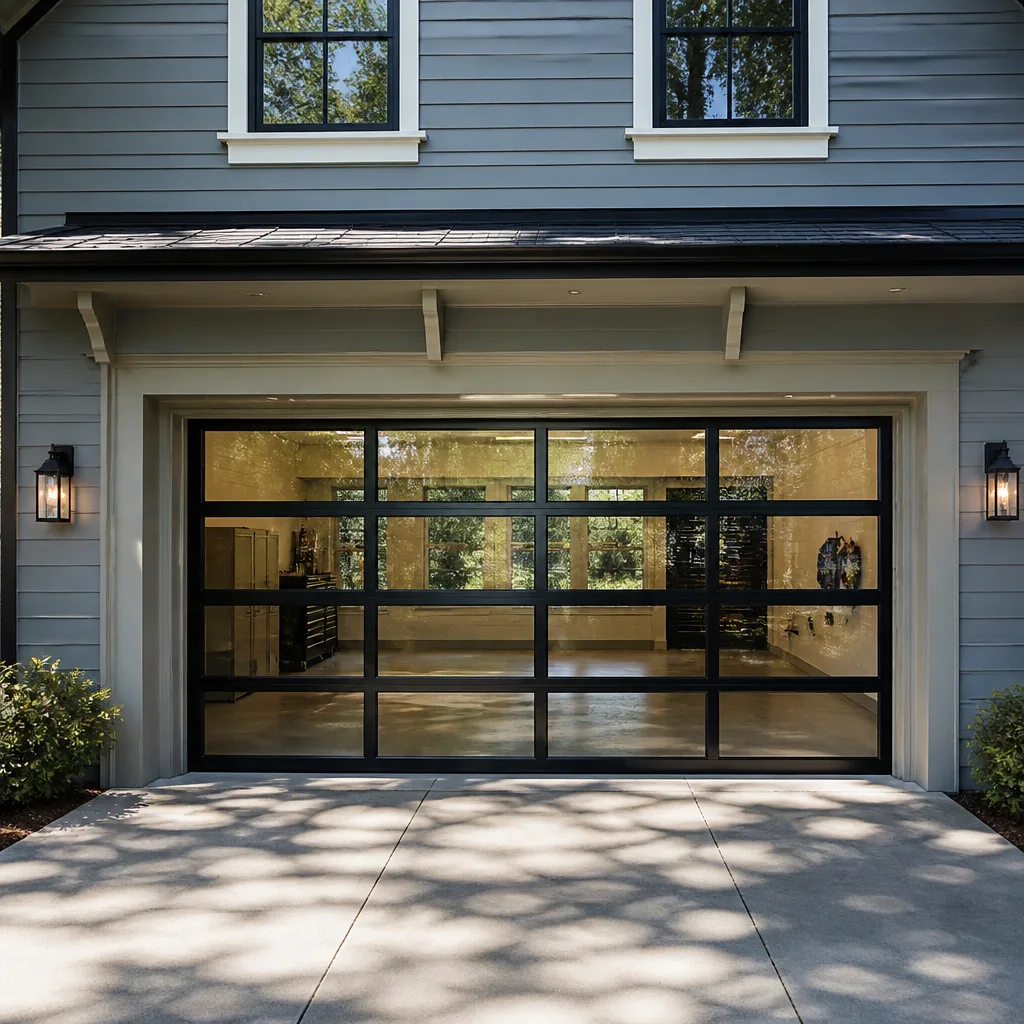 Full-view glass
 LiftMaster openers
 Chamberlain openers
Full 25-point door and opener safety check with every visit - springs, cables, rollers, tracks, and your LiftMaster or Chamberlain opener included
You get a price before we start. It does not change when the pro arrives.
Get your free estimateGarage Door Emergency Preparedness Guide for Highlands Ranch Homes
Pulling the red release cord on a door with a broken torsion spring doesn’t fix anything. It disconnects the opener from a door that now weighs well over 200 pounds with no counterbalance holding it up, and a door like that can come down on its own or refuse to be lifted by anyone who doesn’t know the weight they’re dealing with. That single misunderstanding is behind a large share of the garage door emergencies we hear about in Highlands Ranch. This guide walks you through two completely different failure modes – the mechanical break that traps a car inside and the security break that leaves your home exposed – and gives you a step-by-step response for each before you call anyone. It’s written for homeowners across Highlands Ranch who need to act fast and act safely.
Quick Answer
Garage door emergencies in Highlands Ranch fall into two categories: mechanical failures (broken spring, dead opener, cable off the drum) that trap a vehicle inside, and security failures (door stuck open, vehicle impact damage) that leave the house exposed. For a broken spring, do not pull the emergency release and do not try to lift the door by hand – call a technician. For a door stuck open, secure the opening manually and then call for service. Either way, have your door’s brand, model, and symptom ready when you call so a technician arrives with the right parts the first time.
Styles & brands we work with
- Raised-panel steel
- Carriage house
- Modern flush
- Full-view glass
- LiftMaster openers
- Chamberlain openers
Table of Contents
- The Two Modes of a Garage Door Emergency
- Broken Spring vs. Dead Opener: Which Release Protocol Applies
- Securing a Door That’s Stuck in the Open Position
- Vehicle Impact Damage: Assessing Safety Before You Operate
- Power Outage Protocol for Highlands Ranch Homes
- What to Have Ready When You Call for Emergency Service
- How Highlands Ranch Conditions Shape Garage Door Failures
- Preparing Before the Emergency Happens
The Two Modes of a Garage Door Emergency
Not every garage door emergency is the same problem, and the response differs depending on which one you’re facing. Understanding the difference before something goes wrong is the single most useful thing you can do for your home in Highlands Ranch.
The first mode is mechanical. Something in the door system has failed – a torsion spring snapped, a cable slipped off its drum, an opener motor burned out, or a roller seized in its track. The defining symptom is that the door won’t move, or moves with difficulty, or makes a sound it never made before. You’re trapped inside, or locked out, and the door is the immediate obstacle.
The second mode is security. The door itself may be structurally fine, but it’s stuck in the open position, or a panel is caved in from an impact, or the door is hanging off its track at an angle that leaves a gap. Your car may be accessible, but your home is not secure. This mode is more common in Highlands Ranch than homeowners expect, particularly after high-wind events that can push a door off its track or blow one panel out of alignment.
These two modes have different first-response steps. Mechanical failures are about not making the damage worse – and not getting hurt. Security failures are about closing the opening as safely as possible until help arrives. Treating them the same way is where most DIY mistakes begin.
If you’re not sure which mode you’re in, err on the side of treating it as mechanical. A door that won’t move on its own is telling you something inside the system has changed, and the safest move is to stop and call.
Broken Spring vs. Dead Opener: Which Release Protocol Applies
The red emergency release cord on your opener is the most misunderstood piece of hardware on the entire garage door system. It’s designed to let you disconnect the opener from the door so you can lift the door manually. It is not designed to be used when the door’s counterbalance system has failed.
If the spring is broken
A torsion spring above the door, or an extension spring alongside it, does the heavy lifting. When it breaks, the door’s weight is suddenly unsupported. The door may sit at the bottom, jammed in the closed position, or it may hang suspended at whatever height it was when the spring let go.
Pulling the release cord in this state disconnects the opener, but it does not change the door’s weight. You’re now holding a door of 200 pounds or more with nothing but your arms, and if it slips, it comes down hard. That’s the danger.
- Do not pull the release cord. Leave the door connected to the opener and leave it where it sits.
- Do not try to lift the door by hand. A door with no counterbalance can be lifted only with enormous force, and one that gets away from you is a serious injury risk.
- Barricade the door. Block the inside and outside of the door so no one tries to move it. If the door is partially up, keep children and pets away.
- Check that the door is fully closed and latched if it’s at the bottom. A door jammed closed is secure even if it isn’t working.
- Call for repair. A technician has the tools to safely raise and lower the door, replace the spring, and set the door back to normal operation.
If the opener is dead but the spring is intact
This is a different situation. The spring is doing its job – the door is balanced, and you can likely raise it by hand. This is exactly the scenario the release cord is designed for.
- Check the obvious first. Confirm the wall switch isn’t turned off, the breaker hasn’t tripped, and the wall outlet the opener plugs into still has power.
- Pull the release cord straight down. You may hear a click as the opener’s trolley disengages from the door’s carriage. If your opener is a newer model with a lockout solenoid, see the power outage section below.
- Lift the door slowly by hand. If the door is balanced, it should move with moderate effort. If it feels heavy or won’t stay up, stop – you may have a spring problem after all, and the earlier protocol applies.
- Reconnect the opener when you’re done. Once the door is back in its down position, re-engage the cord by lifting the door until the trolley clicks back into the carriage, or use the reconnect feature on your opener.
The difference comes down to one question: is the door balanced? If the answer is no, do not pull the cord. A technician from Banner Garage Door Repair can diagnose the opener and its connection to the door as one system, which is often what a malfunctioning door actually requires. If you’d rather talk through the situation before you move anything, garage door repair is available with free estimates and a written price agreed before any work begins.
Securing a Door That’s Stuck in the Open Position
A garage door stuck open is a security problem before it’s a repair problem. Every minute the opening stays unguarded is a minute your home is exposed to the outside. Your first priority is to close or block the opening – not to diagnose why the door won’t come down.
This happens more often than you might think. An opener’s travel limits drift and send the door halfway up instead of down. A roller pops out of its track and jams the door mid-travel. A board decides to stop responding to the remote and the door sits open. In Highlands Ranch, high winds can push a door off its track in a single gust.
- Leave the door where it is. Don’t force it up or down. A door off its track that gets pushed will bend panels and may fall.
- Block the opening from the inside. Push a vehicle up against the opening if one is available. If not, use a barricade – a sturdy table, picnic bench, or stack of storage bins.
- Secure the space behind the door. Lock the interior door that leads from the garage into the house, and make sure everyone knows to keep it locked until the door is repaired.
- Remove valuables from the garage if the opening is large and the interior is visible from the street. Bikes, tools, and anything visible from outside should move inside the house or to a locked storage unit temporarily.
- Block the outside approach if it’s safe to do so. A vehicle parked in the driveway facing the opening is a useful visual deterrent.
- Call for repair. Have your door brand and model ready so the technician can confirm whether the fix is a track adjustment, a limit reset, or a hardware replacement.
Never try to lower a partially open door by hand if the opener is engaged. The disconnection steps from the previous section only apply when you’ve safely determined the spring is intact and the door is balanced. When in doubt, leave it and call.
Vehicle Impact Damage: Assessing Safety Before You Operate
A car that backs into a closed garage door leaves a panel dented, a track bent, or a whole section pushed out of alignment. The urge to just press the button and see if it still works is strong. Resist it. A damaged door is a loaded mechanism, and running it before you’ve assessed the damage can turn a panel replacement into a whole-door replacement.
The assessment comes down to a few visible checks:
- Look at the tracks. Are the vertical and horizontal tracks still straight? A bent track will pull the door out of alignment and may seize a roller mid-travel.
- Look at the panels. Is any panel cracked, folded, or visibly separated from its neighbors? A separated panel means the door’s structural integrity is compromised.
- Look at the springs and cables. Are the springs still at their normal shape, or has one uncoiled? Are both cables taut and seated on their drums? A cable off its drum under tension is not something to touch.
- Look at the door’s alignment in the opening. Does it sit square, or is one side higher than the other? An uneven door is a safety issue.
- Look at the hinges and rollers. Are any hinges bent or rollers popped out of their tracks?
If all five checks come back clean and the door sits square in the opening, you may be able to operate it carefully with the opener – but watch and listen as it moves, and stop immediately if it binds. If any check comes back wrong, don’t run the door.
Your home insurance may cover vehicle-impact damage to a garage door, so check your policy before you authorize repairs. A technician can inspect the door and produce a written estimate you can submit. A door hanging out of its tracks under spring tension is not a safe thing to work on. That’s a job for a technician who can safely manage the counterbalance, and it’s better to have someone inspect the door than have a panel let go.
Power Outage Protocol for Highlands Ranch Homes
Highlands Ranch sees power outages during high-wind events, and a garage door opener is a small thing with a big consequence when the power goes out. Here’s how to get the door open without damage.
If your opener has battery backup
Many modern openers from LiftMaster, Chamberlain, and Genie have a battery backup module that engages automatically when utility power drops. The door should operate normally from the wall switch or remote for a limited number of cycles. If your opener has this feature, the battery may need replacement if it’s aged out. A dead backup battery will not run the door.
If your opener does not have battery backup
You’ll need to disconnect the opener from the door using the manual release. For most doors, that’s the red cord hanging from the opener rail. Pull straight down, then lift the door slowly by hand. On a balanced door with a good spring, this is a reasonable manual lift. If the door feels heavy or won’t stay open, stop – the spring may be failing, and the earlier protocol applies.
If your opener has a lockout solenoid
Some newer openers from LiftMaster and Chamberlain include a solenoid lock that holds the door’s carriage in place when the opener is off. Pulling the red cord on these models may not disconnect the door. The proper release requires a specific procedure – a second pull on the cord, or a manual release tool from the manufacturer. Check the opener’s manual for the correct method before you pull anything.
What to do when the power comes back
Re-engage the opener by lifting the door until the trolley clicks back into the carriage, or by using the wall switch to run the opener through a cycle. Then test the door’s safety reversal – place an object in the door’s path and run the door down. It should reverse. If it doesn’t, stop using the opener and have it serviced.
If the power is out for an extended period, the door is safe to operate manually as long as the spring is intact and the door is balanced. If the spring has failed, leave the door where it is and keep it secured.
What to Have Ready When You Call for Emergency Service
The difference between one service visit and two usually comes down to one thing: how much information the technician has before they arrive. A technician who knows your door brand, model, and symptom can carry the right parts on the first visit. A technician who doesn’t may need to order something and return – which means another day without your garage door.
Have this information ready when you call:
- The door brand. LiftMaster, Chamberlain, Genie, Clopay, Amarr, Wayne Dalton, Craftsman, and Raynor are the eight brands we work on most, and the brand tells a technician what hardware and springs the door likely has.
- The opener model if the issue is on the opener side. A photo of the opener’s label or the model number printed on the back of the unit is the fastest way to identify it.
- The door type. Sectional, one-piece, roll-up, or carriage-house. Each type has different release protocols and different common failure points.
- The symptom in plain terms. “The door goes up about a foot and stops” is more useful than “the door is broken.” The first says limit switch. The second says nothing.
- Any sound the door made before it stopped. A bang from the spring area is a snapped spring. A grinding noise is often a roller or bearing. A hum from the opener with no movement is a stripped gear or a bound door.
- Whether the door is open, closed, or partially open and whether it’s secure. This tells the technician whether they’re arriving at a security situation.
- Your address and gate code if you have one. Highlands Ranch has gated communities where access isn’t obvious from the street.
- Whether a vehicle is trapped inside. If you have another car available, mention it – the technician may be able to work from the outside without you moving anything.
The more you can tell us when you call, the more likely it is that the first visit is the only visit. A technician trained across competing brand ecosystems – LiftMaster, Chamberlain, Genie, and the rest – can diagnose a system on sight rather than guessing from a photo, and that’s a big part of why garage door opener repair is a dedicated service for us rather than an afterthought to door repair.
How Highlands Ranch Conditions Shape Garage Door Failures
Highlands Ranch sits at elevation along the Front Range, and the weather here is hard on garage doors. The high-wind events that roll through are the most obvious factor – a gust that catches a partially open door can push it off its track or blow out a panel. But wind is only part of the picture.
The temperature swings are the bigger long-term factor. A door that’s cold in the morning and warm by afternoon cycles through expansion and contraction in the panels, the tracks, and the springs. Metal springs are the most sensitive component to that cycling, which is why spring failures cluster in the coldest and warmest weeks of the year. The springs are rated for a number of cycles, and a Highlands Ranch door runs through its cycles faster than a door in a milder climate.
The housing stock matters too. Highlands Ranch has a broad mix of garage door systems, from newer sectional doors on homes in neighborhoods like Northridge and Westridge to older carriage-house styles in BackCountry and on the eastern side of the community. Each generation of door uses different opener architecture and different spring arrangements. That’s why the technician’s brand familiarity matters here – if the technician has seen your opener’s family before, they can diagnose the problem faster.
The dry air also plays a role in dust and grit buildup on the tracks and rollers. Grit works its way into the bearing surfaces, and the door starts to bind. Left alone, that binding puts extra load on the opener, which shortens the opener’s life. It’s one of the more common causes of an opener that works fine in spring and fails by fall.
If you’re in Highlands Ranch and your door is starting to show any of these symptoms – a hesitant opener, a door that binds halfway through a cycle, a panel that’s out of alignment – the smart move is to have it looked at before the failure becomes an emergency. Repairing the binding early is a smaller job than replacing a spring or an opener. Repair first, replace only when it makes sense.
Preparing Before the Emergency Happens
The best emergency response is one you never have to use. A few small preparations before something goes wrong make the emergency itself much easier to handle, and they take a single afternoon.
- Test the release cord now. On a calm day, pull the red cord and lift the door by hand. Confirm the door is balanced – it should stay where you leave it at any height. If it drops or feels heavy, the spring may be failing and should be checked before it breaks.
- Test the safety reversal. Put a piece of wood in the door’s path and run the door down. It should reverse within a few inches. If it doesn’t, the opener’s safety system is not working and needs attention.
- Note your door’s brand and model. Write it on a piece of tape and stick it inside the garage. When you call for service, you’ll have it instantly.
- Check your opener’s battery backup status. If your opener has a battery, check the indicator light. Many models show a distinct light or beep pattern when the battery is weak.
- Clear the tracks. A few minutes with a rag and a light brush on the vertical and horizontal tracks removes grit before it becomes a binding problem.
- Identify a backup plan for the trapped-car scenario. If your household has a second vehicle, know which one you’d need to use if the primary car is trapped inside. If you don’t have a second vehicle, know which neighbor you’d ask.
- Keep a marked contact number where you can find it in the dark. If the power’s out and you’re reaching for a phone, you don’t want to be searching through the house. A note taped to the inside of the garage door frame works.
The odd thing about most garage door emergencies is that they announce themselves before they happen. A door that binds in one spot, an opener that surges, a spring that’s starting to sag – those are warnings. Paying attention to them costs nothing. Ignoring them turns a repair into an emergency at the worst possible moment.
Common Mistakes to Avoid
- Pulling the release cord on a broken spring. This disconnects the opener from a door with no counterbalance, and the resulting weight is dangerous. The cord is designed for a dead opener on a balanced door, not for a failed spring.
- Forcing a door off its track. A door that’s popped out of alignment will bend panels and stress the cables if you push it. The track is the last thing to fix and the first thing to remember. Leave the door where it is and call.
- Touching a cable that’s off its drum. Cables are under high tension even when the door is closed. A cable that’s slipped its drum is a job for a technician who can safely release the tension first.
- Running a damaged door to “see if it works.” If a vehicle has hit a panel or a hinge is bent, pressing the button puts the whole door under load at exactly the wrong point. The panel can crack through, and the repair gets bigger.
- Ignoring power-outage preparedness. Highlands Ranch wind events knock out power. If your opener has a battery backup, test it now. If it doesn’t, know the release procedure and where the release cord is.
- Calling without the door’s brand and model. A technician who knows your door is a Clopay or an Amarr sectional can carry the right parts. A technician who doesn’t may need a second visit to finish the job.
- Leaving a stuck-open door for a weekend. If the door is open and the home is exposed, secure the opening, then call the same day. Leaving it open until you have time to deal with it is how a garage door problem becomes a theft.
See the difference
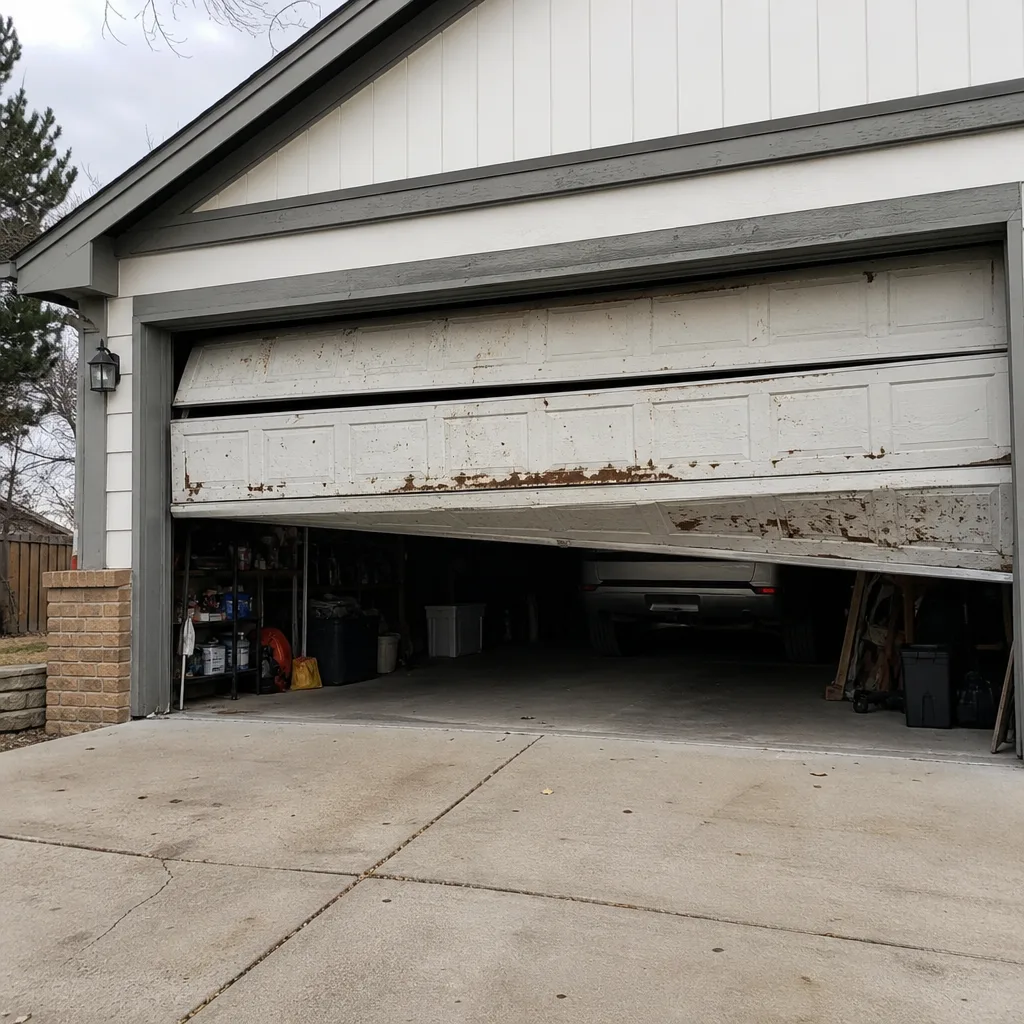 Before
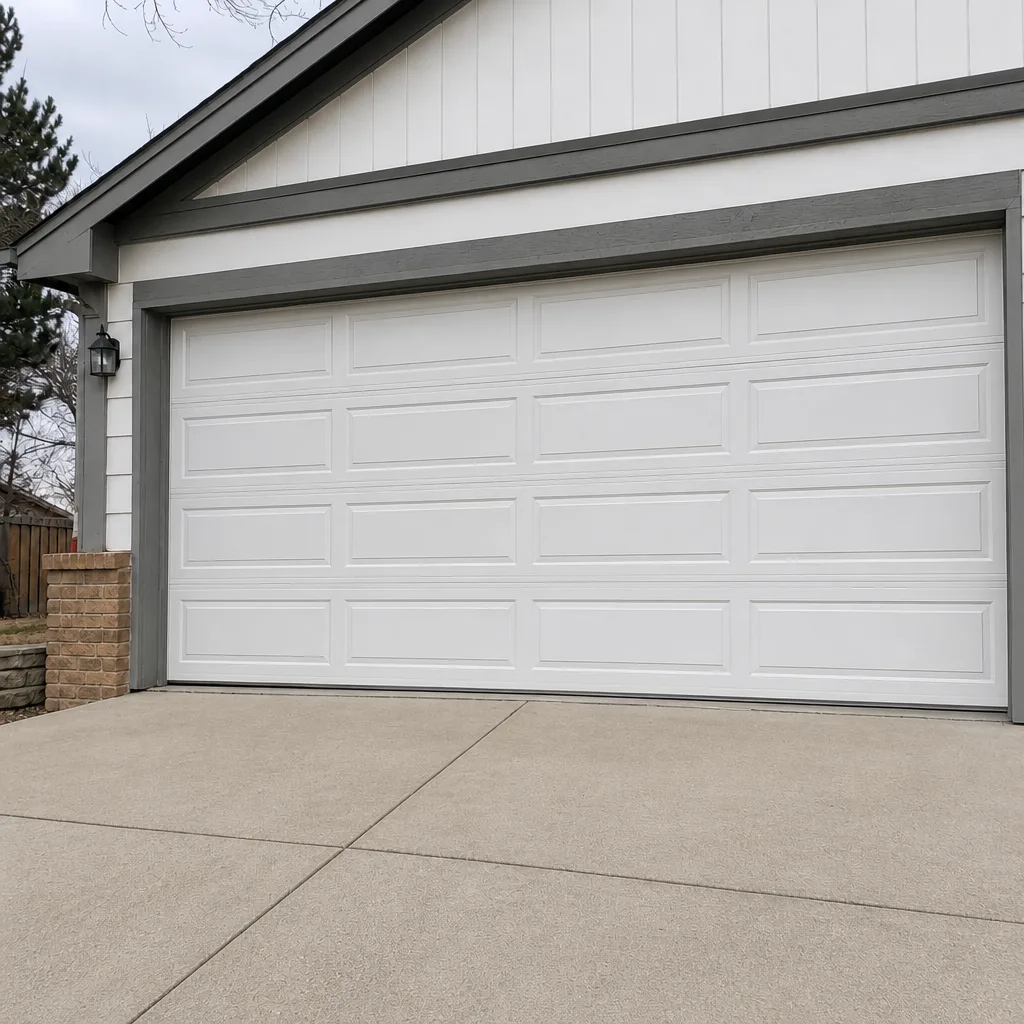 After
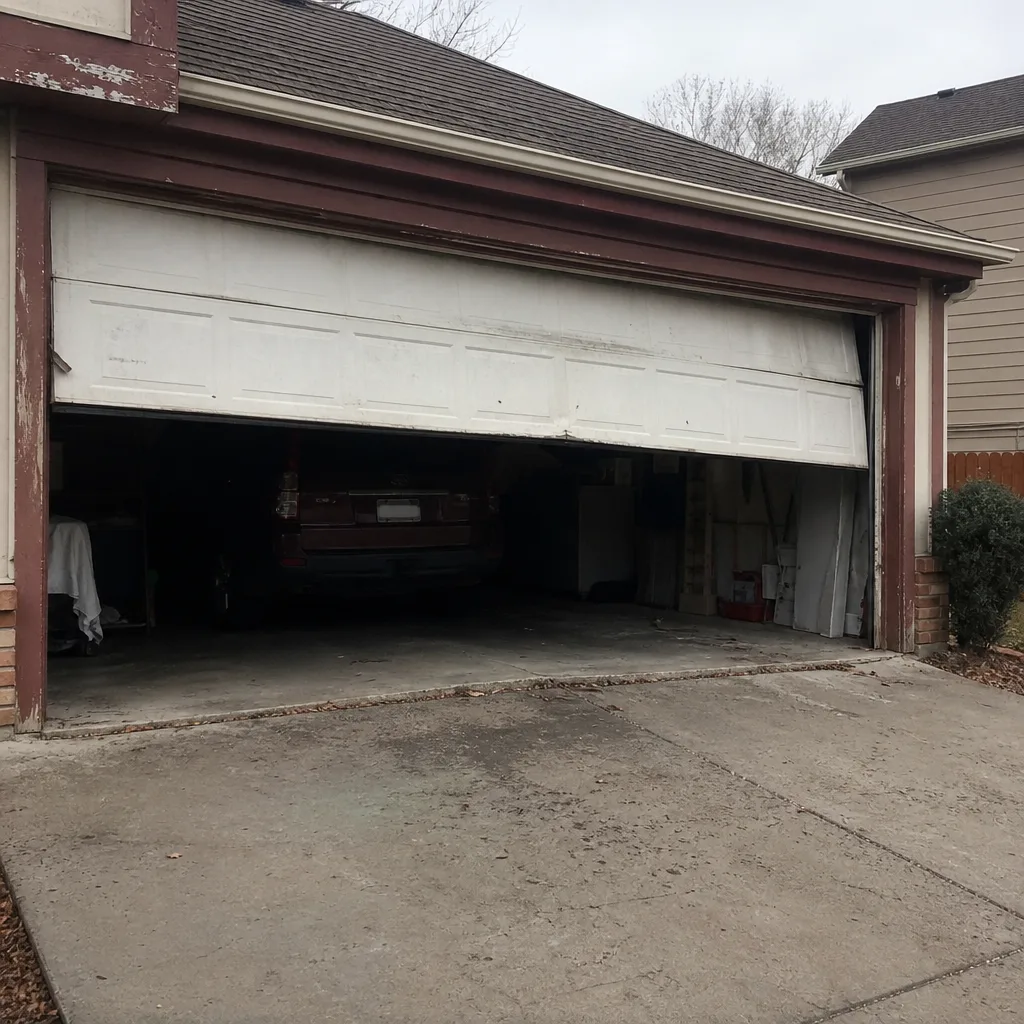 Before
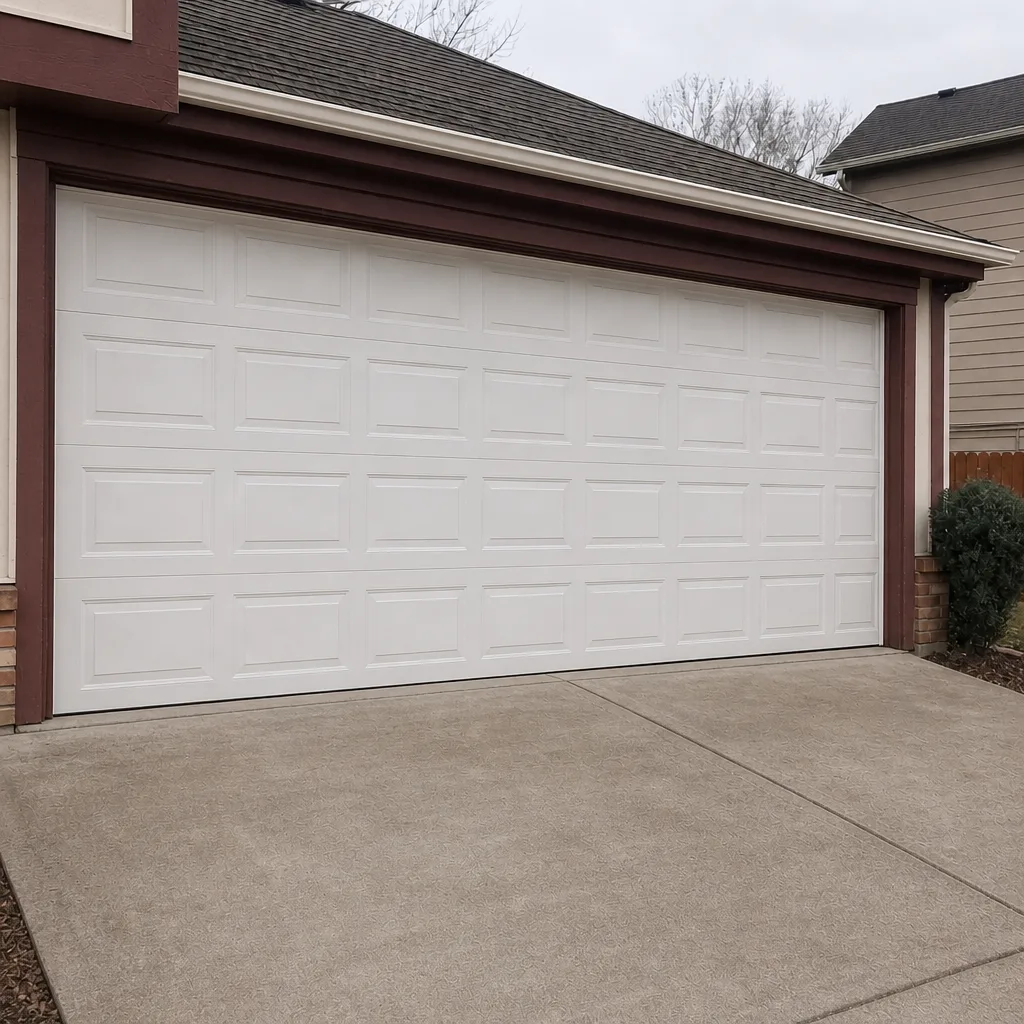 After
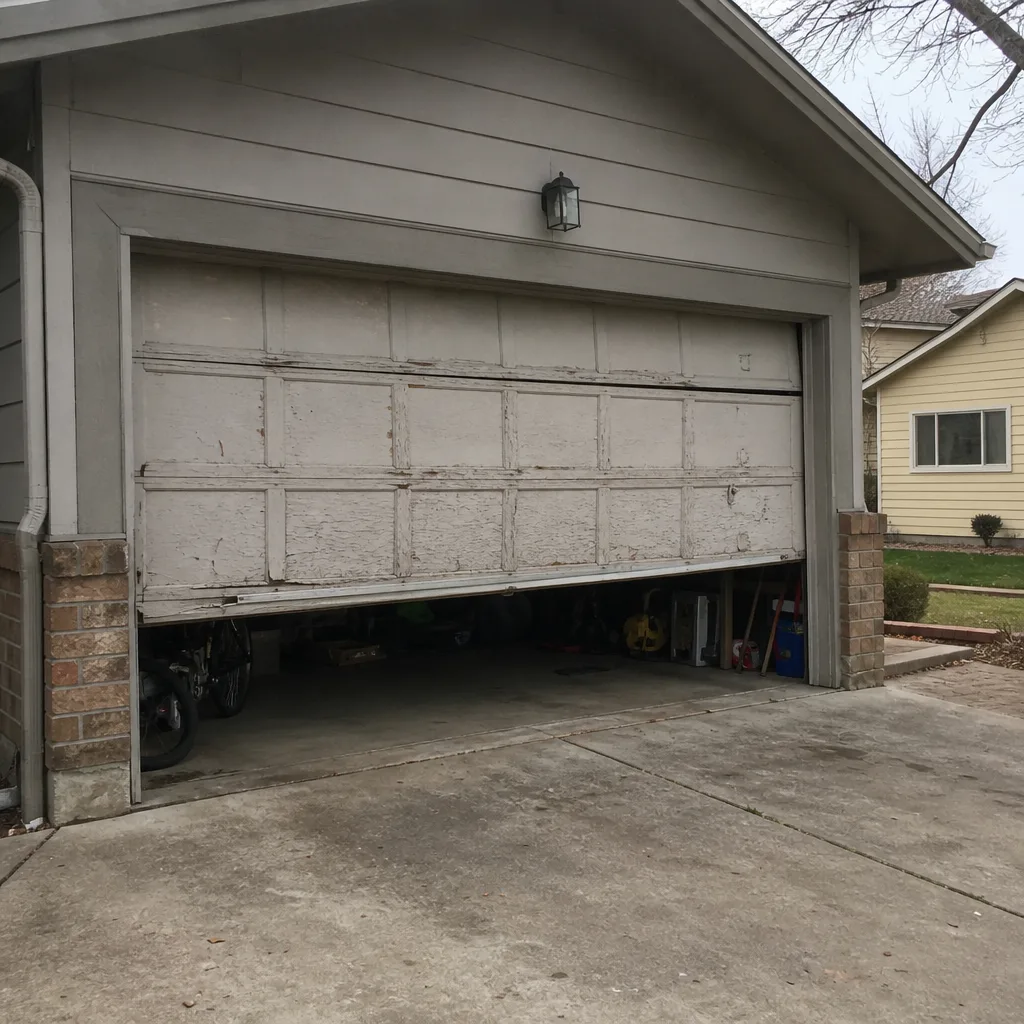 Before
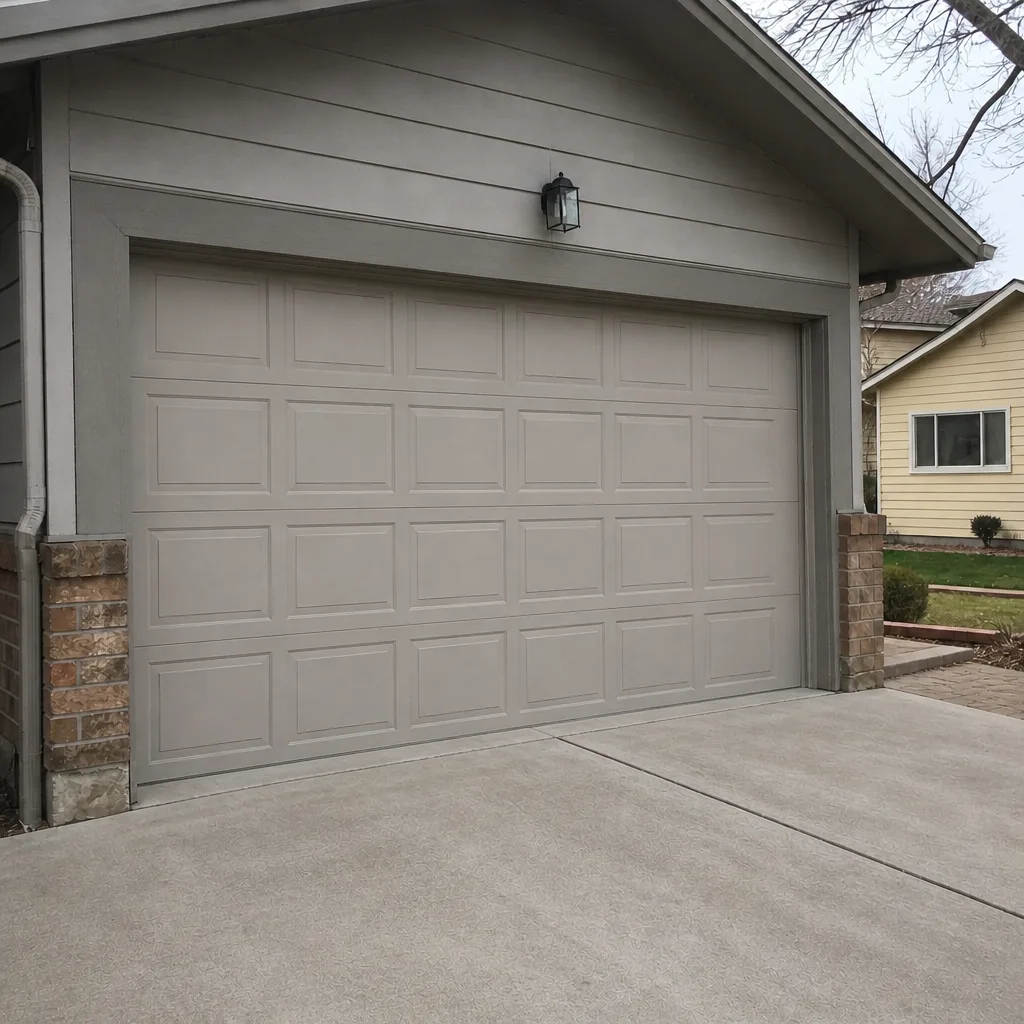 After
When to Call a Professional
Call a professional when the door won’t move safely under its own power, when the spring has broken or feels like it has, when a cable has slipped off its drum, when a panel has been damaged in an impact, or when the opener runs with no movement from the door. Call immediately if the door is stuck open and your home is exposed, or if a release cord has been pulled on a door with a broken spring. Call before you attempt to lift a door by hand if you’re not certain the door is balanced. Each of these situations carries a real injury risk for a homeowner working alone, and a trained technician has the tools and experience to bring the door back to normal operation safely. Banner Garage Door Repair offers free estimates in Highlands Ranch – call (844) 761-2567. We answer 24/7. Fast dispatch from 7am to 7pm, Sunday through Friday.
Frequently Asked Questions
Check the power source first – wall switch, breaker, and the outlet the opener plugs into. If power is fine and the door won’t move, don’t force it. The two most common causes are a broken spring and a dead opener, and the correct response is different for each. If the spring is broken, do not pull the release cord. Call (844) 761-2567 and we’ll help you confirm which situation you’re facing – estimates are free.
No. Pulling the release cord on a door with a broken spring disconnects the opener from a door that’s now unsupported by any counterbalance. The door can weigh well over 200 pounds, and a door like that can fall or refuse to lift. Leave the door connected, barricade it, and call for service. Call (844) 761-2567 to schedule a repair.
Block the opening from the inside with a vehicle or barricade, lock the interior door into the house, and move valuables out of view. Then call for repair. Do not try to close a door that has come off its track – that’s a technician’s job. We answer 24/7 at (844) 761-2567 and can schedule a fast repair.
Only if you’ve checked the tracks, panels, springs, cables, and hinges and found no damage, and the door sits square in the opening. If a track is bent, a panel is cracked, or the door is not sitting level, don’t run it. A damaged door under load can bend further or release a panel. For impact damage in Highlands Ranch, call (844) 761-2567 for a free inspection and written estimate.
Only if the opener has a battery backup module, which many modern LiftMaster and Chamberlain openers do. Without backup, you’ll need to disconnect the opener from the door using the manual release and lift the door by hand – and that only works if the door is balanced and the spring is intact. If your opener has a lockout solenoid, read the manual before you pull anything. Our opener repair service covers backup battery issues, and free estimates are available at (844) 761-2567.
Have the door brand, opener model, door type, the specific symptom in plain terms, and whether the door is open, closed, or partially open. Also have your address and any gate code ready. The more you can tell us, the more likely the technician arrives with the right parts on the first visit. We work on equipment from eight major brands – LiftMaster, Chamberlain, Genie, Clopay, Amarr, Wayne Dalton, Craftsman, and Raynor – so your brand is almost certainly one we know. Call (844) 761-2567. Estimates are free.
The Bottom Line
Garage door emergencies in Highlands Ranch come in two distinct shapes: mechanical failures that trap a car and security failures that leave a home exposed. Each has its own first-response protocol, and knowing the difference before something goes wrong is the most useful preparation you can do. Broken spring means don’t touch the release cord and don’t lift the door by hand. Dead opener on a balanced door means the release cord is safe to use. Stuck open means secure the opening first and call for repair. Impact damage means assess the tracks, panels, and springs before running the door again. Have your brand and model on hand when you call, and know whether your opener has battery backup. Banner Garage Door Repair works on what you already own – LiftMaster, Chamberlain, Genie, Clopay, Amarr, Wayne Dalton, Craftsman, and Raynor – and repairs the door, the opener, or both as one system. If you’re facing a garage door emergency in Highlands Ranch right now, or you want a free estimate before something goes wrong, call (844) 761-2567. We answer 24/7. Fast dispatch from 7am to 7pm, Sunday through Friday. Our technicians have up to 9 years of experience, and the written estimate sets the final price before any work starts.
For more detail on the repair side of things, see our Banner Garage Door Repair homepage and the garage door repair page.
Written by the team at Banner Garage Door Repair.