
Last updated November 15, 2026
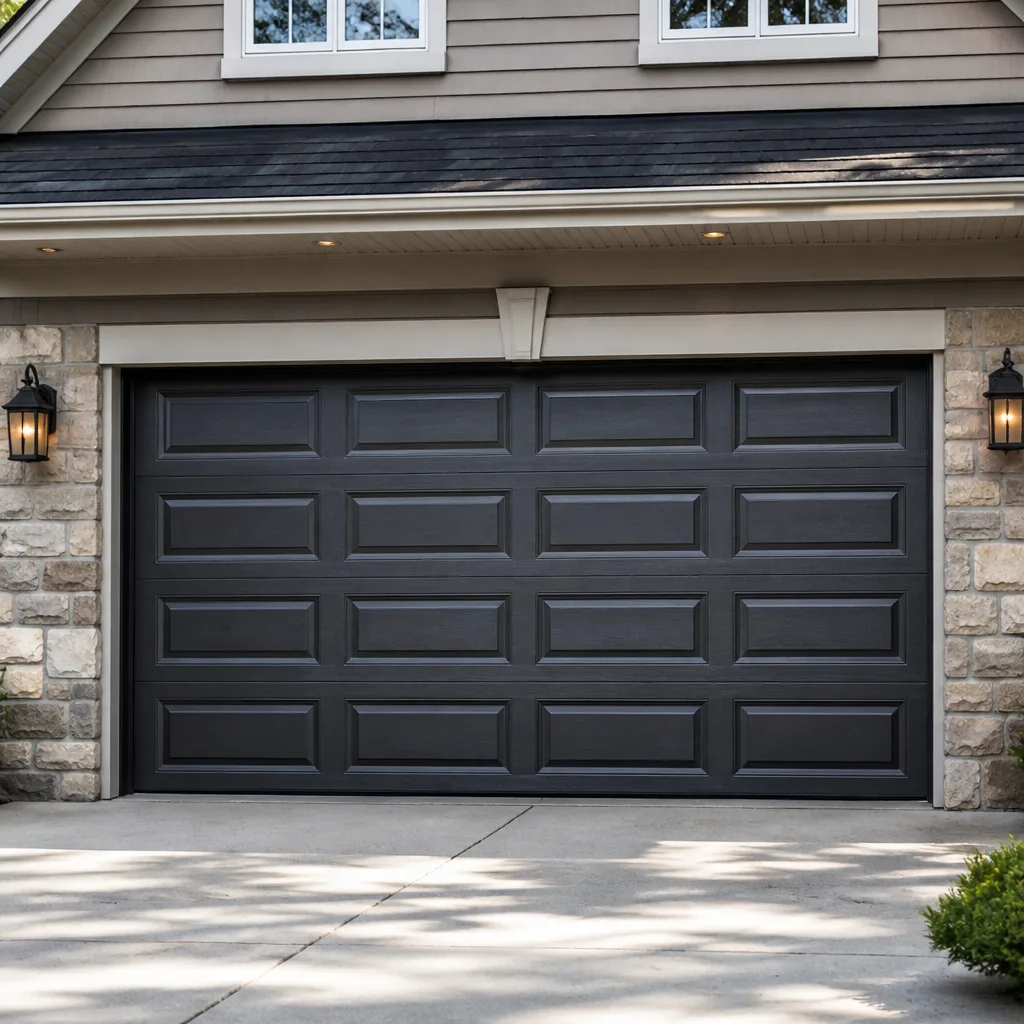 Raised-panel steel
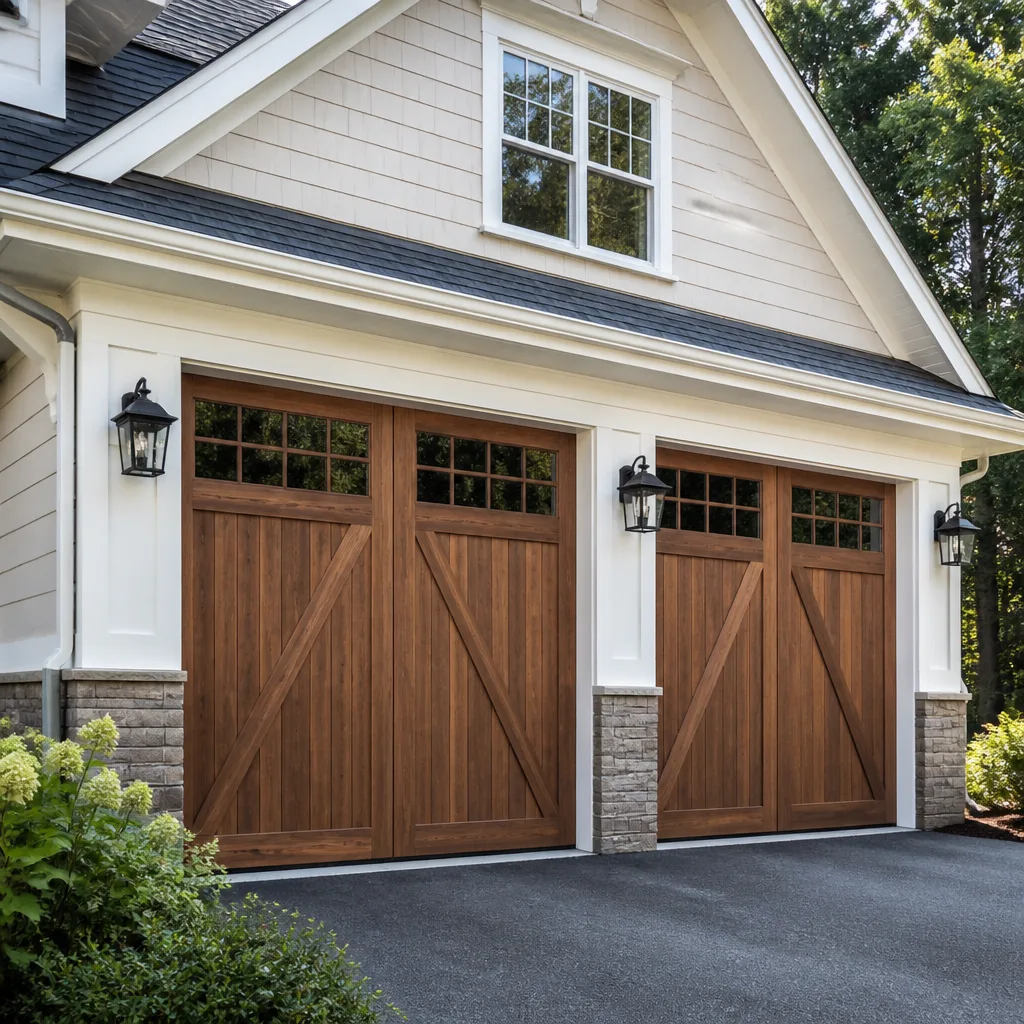 Carriage house
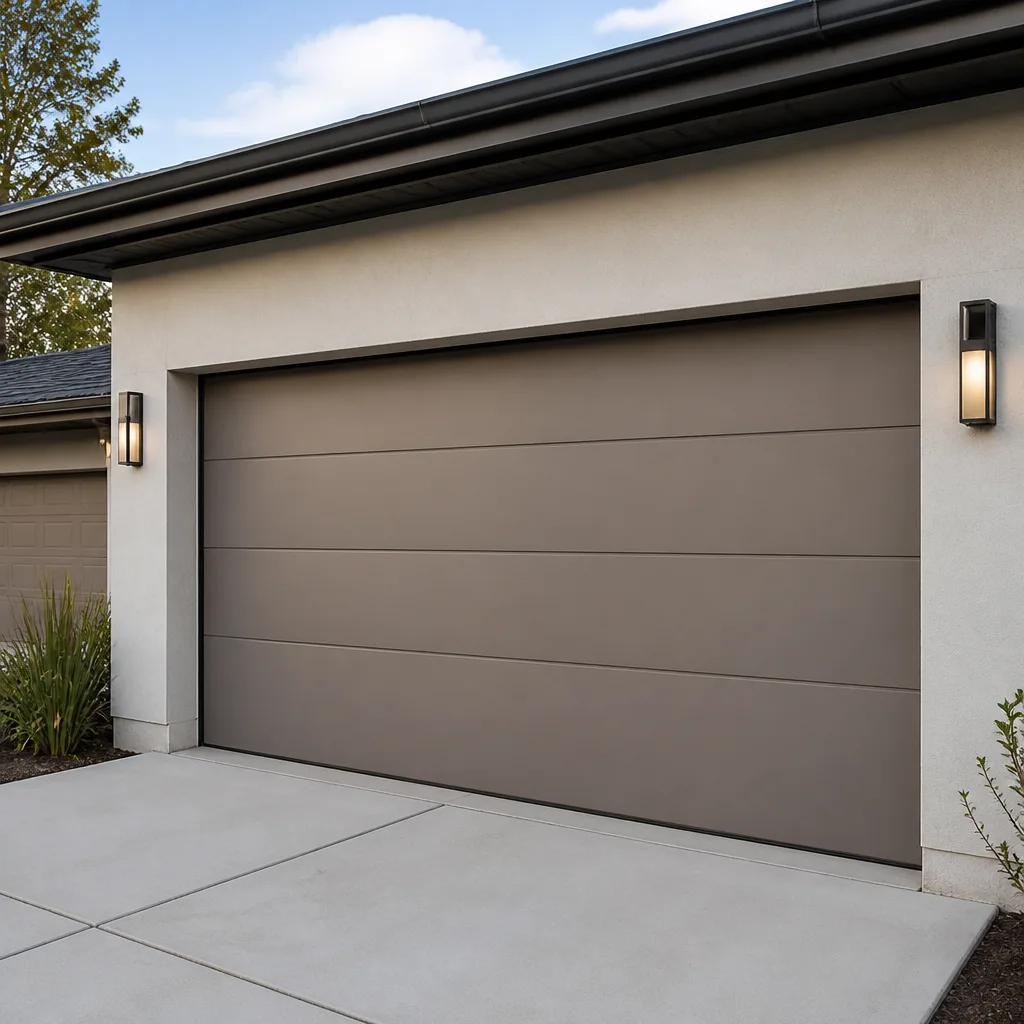 Modern flush
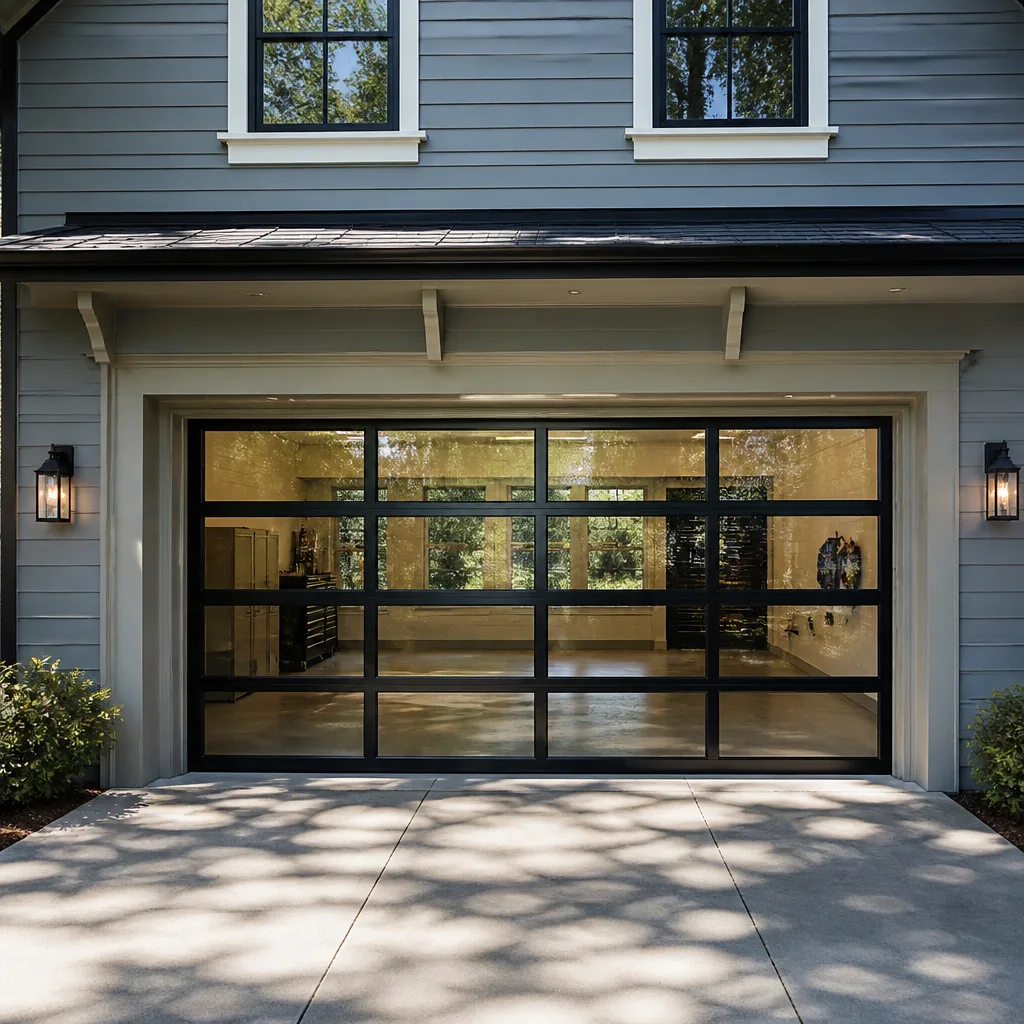 Full-view glass
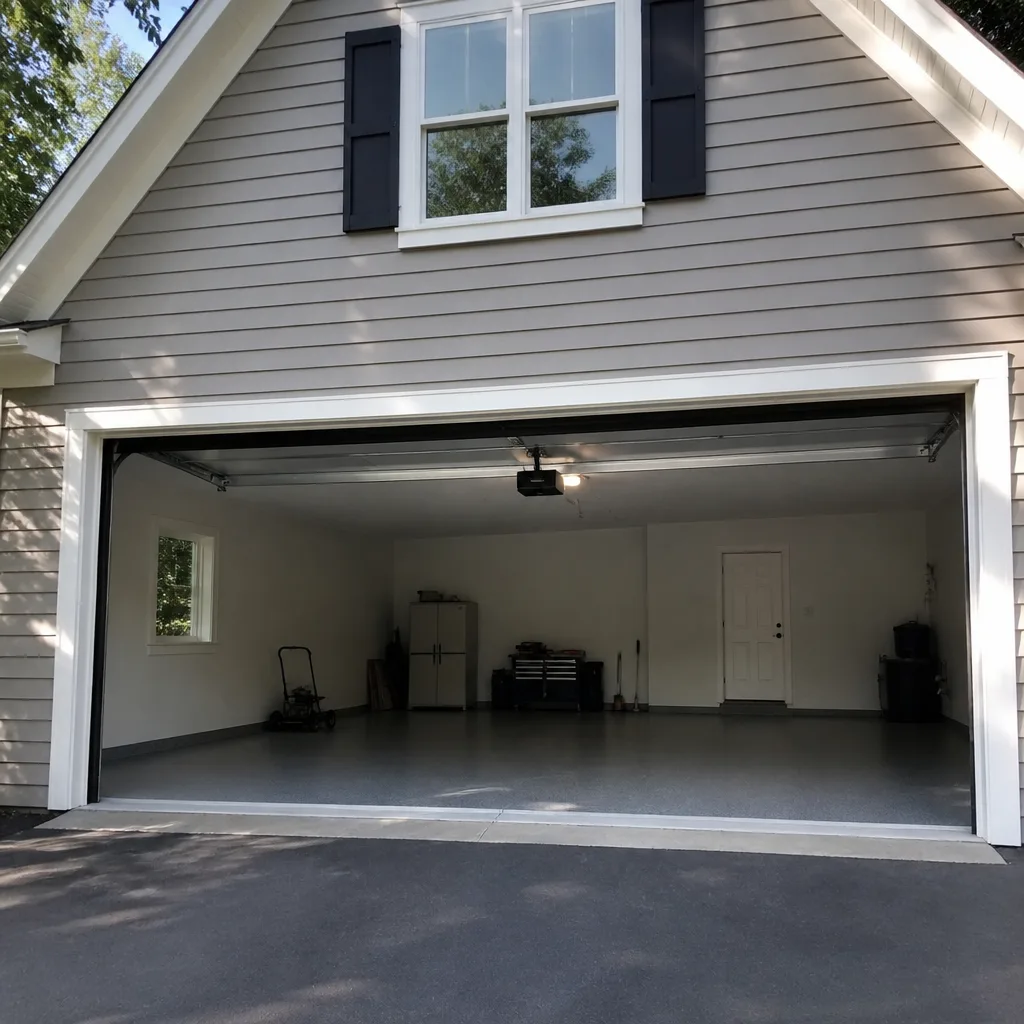 LiftMaster openers
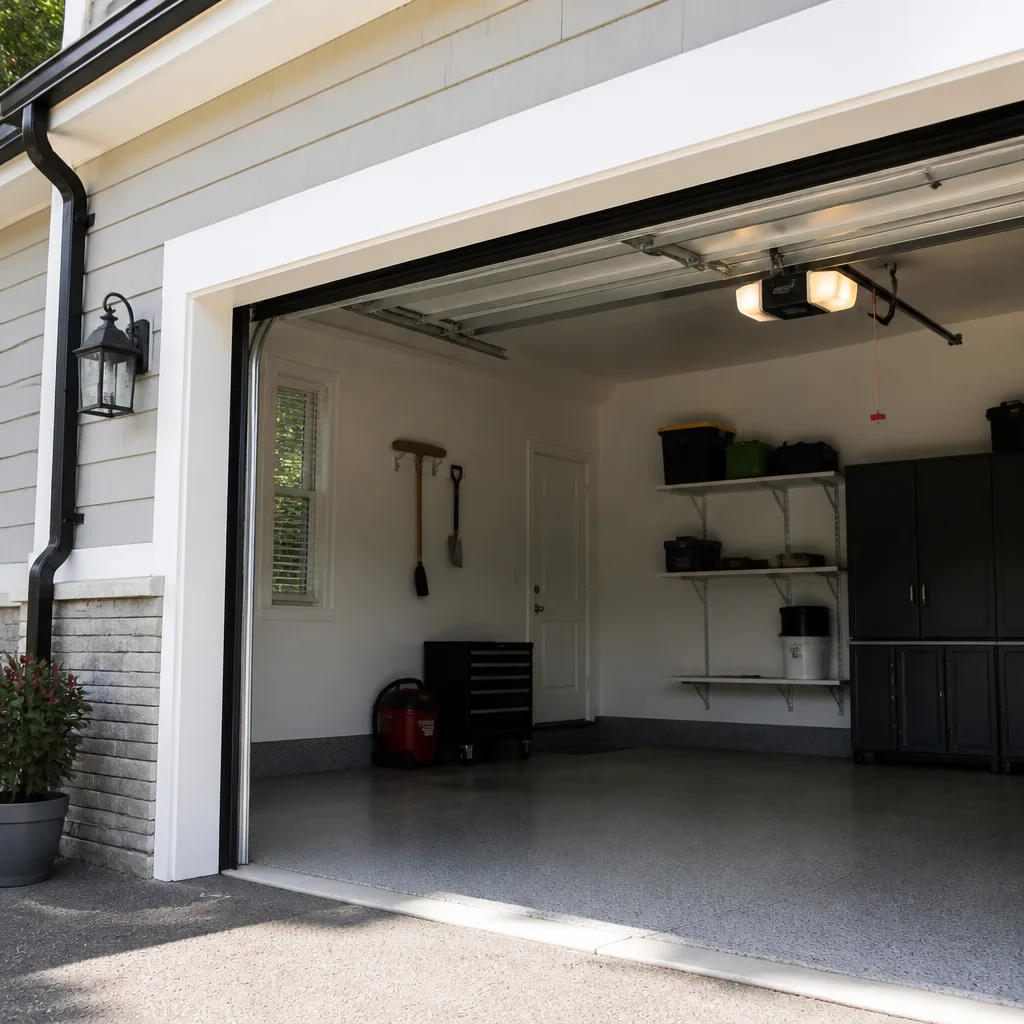 Chamberlain openers
Full 25-point door and opener safety check with every visit - springs, cables, rollers, tracks, and your LiftMaster or Chamberlain opener included
You get a price before we start. It does not change when the pro arrives.
Get your free estimateGarage Door Repair Maintenance Schedule: What to Do and When
A single annual tune-up is the advice printed in nearly every manufacturer manual, and it’s the advice almost nobody follows correctly. Here’s why: a garage door doesn’t age by the calendar. It ages by the cycle. A door that runs four times a day completes more than 1,400 cycles a year, which is right around the total cycle rating on most residential torsion springs. That means the maintenance that matters isn’t “once every spring,” it’s tied to how often your door actually moves and to what the seasons in Highlands Ranch do to the metal, the seals, and the opener. In this guide we’ll lay out a schedule built around usage and climate, spell out exactly what to lubricate and what to leave alone, and give you a checklist you can actually run through in under an hour.
Quick Answer
Most Highlands Ranch garage doors need an owner-run inspection and lubrication every 3 to 6 months, a balance and safety-reverse test twice a year, and a professional tune-up once a year or roughly every 1,400 to 2,000 cycles, whichever comes first. The single highest-value window in this climate falls in March, when freeze-thaw cycles stress springs and hardware. Replacing a broken torsion spring runs about $180 to $340 for one spring, which is why catching wear early pays off.
Styles & brands we work with
- Raised-panel steel
- Carriage house
- Modern flush
- Full-view glass
- LiftMaster openers
- Chamberlain openers
Table of Contents
- Why Calendar-Based Maintenance Fails
- Building the Schedule Around Cycle Count
- March: The Highest-Risk Maintenance Window in Highlands Ranch
- What to Lubricate, What Not To, and With What
- The Tension Test You Can Run Safely
- Owner Tasks vs. Technician Tasks
- The Full Checklist With Time Estimates
- Opener Maintenance Most Guides Skip
Why Calendar-Based Maintenance Fails
“Every spring and fall” is a calendar rule, and a calendar doesn’t know how many times your door went up and down. Two homes on the same street in Highlands Ranch can be worlds apart. One household drives out three or four times a day. The other leaves at different hours every day and runs the door a dozen times. Same door model, same springs, same calendar. Very different wear. A homeowner following the spring-and-fall rule on the busier door is likely overdue for most of the year.
There’s a second reason the calendar fails: it treats all maintenance as identical. A quick lubrication pass and a full spring-to-opener inspection aren’t the same task and shouldn’t be scheduled the same way. When we talk with homeowners, we break maintenance into two tracks.
- Frequent, light upkeep – owner-run, every 3 to 6 months, focused on lubrication, visual checks, and the safety tests.
- Periodic, deep service – professional, once a year or at a cycle milestone, covering spring tension, cable inspection, roller and hinge wear, and opener calibration.
That split is the backbone of everything below. It’s also why the cycle count matters more than the month on your calendar. A door in the busier household might reach its cycle milestone in seven or eight months. A door used twice a day might take fourteen. The maintenance you actually need tracks the door, not the season. For the deeper mechanical side of this, our guide to garage door repair walks through common failures and what each one signals.
Building the Schedule Around Cycle Count
Every opening and closing is one cycle. Most residential torsion springs are rated for a total of somewhere in the range of 10,000 cycles, and a door run four times a day eats more than 1,400 of those in a single year. That’s the number worth remembering, because it tells you roughly where you are on the spring’s lifespan without needing any special tool.
Here’s how to put it to work:
- Estimate your daily cycles. Count how many times the door opens and closes on a normal day. Closings count too.
- Multiply by seven for a week, then by the weeks in a season. This is the most useful figure for planning.
- Track cumulative cycles against the tune-up interval. A professional service roughly every 1,400 to 2,000 cycles keeps tension, rollers, and the opener in step. Busier doors get serviced more often. Quieter doors get it less.
- Add a calendar safety net. Even on a low-use door, an annual review keeps a long-idle spring or a slow opener from going unnoticed.
If your household is on the high-cycle end, the practical takeaway is to service sooner rather than later. If you’re on the low end, our free estimate visit is a chance to confirm the door is actually where you think it is. The one thing that never works is waiting for a failure to set the schedule. By then the decision isn’t “when” anymore, it’s “how soon can someone get here.”
March: The Highest-Risk Maintenance Window in Highlands Ranch
If there’s one date on the maintenance calendar that genuinely matters here, it’s the tail end of winter – the transition in March when temperatures swing back and forth across the freezing mark day after day. That freeze-thaw pattern is tough on every part of a garage door system, and it’s when we see the most spring and hardware failures of the year.
What actually happens in the freeze-thaw window:
- Metal contracts and expands repeatedly. Torsion springs, cables, and hinges are all forged or drawn steel. Repeated daily temperature swings fatigue the metal faster than steady cold.
- Lubricant thins out and migrates. Cold months can leave rollers and hinges drier than you’d expect, increasing friction right when the door needs it least.
- Bottom seals and weatherstripping stiffen and crack. Once a seal cracks, the door closes against a gap rather than the floor.
- Wood and composite panels take on moisture. A wet spring after a dry winter pushes and pulls at hinges and the opener’s limit settings.
The practical move is a full inspection and lubrication pass in March, before the real spring swings settle in. If a spring is going to fail this year, that window is when it tends to announce itself. Getting a technician out ahead of it turns a phone call from a panic into a scheduled visit. That’s also the time we look closest at garage door opener repair issues, since opener motors work harder when friction climbs in cold weather and limits drift as temperatures shift.
What to Lubricate, What Not To, and With What
Most “use lubricant” advice stops right there, which is a problem, because the right place and the wrong place are very different on a garage door. Lubricate the wrong thing and you’ll attract grit to places that need to stay clean. Use the wrong product and you’ll gum up the works. Here’s the specific breakdown.
Lubricate these
- Hinges. A small amount at each hinge pin, then work the door up and down a couple of times to spread it.
- Rollers (the shafts, not the wheels). A few drops at the stem of each roller is enough. Don’t coat the roller surface itself; it needs to roll, not slide.
- Bearing plates. The plates at either end of the torsion bar hold the shaft. A light application keeps them turning freely.
- Spring coils. A light film on the coil surfaces, never a heavy coat, and never a spring under tension that you’re trying to reach around.
Leave these alone
- Tracks. Tracks need to be clean and dry. Lubricant on a track collects dust and grit, and then rollers ride over that grit.
- Bottom seal. The rubber at the bottom of the door is made to flex against the floor. Oil degrades rubber over time.
- Photo-eye lenses. These are optical sensors. A film of oil smears the lens and can make the safety reverse misfire.
What product type to use
Use a garage-door-specific spray lubricant or a white lithium grease. Avoid heavy axle grease, WD-40 as a stand-alone (it’s a penetrant, not a lasting lubricant), and anything that stays tacky or drips. A light application applied evenly is far better than a heavy one. If you’re not sure what’s already on your hardware, a technician can identify the residue and tell you if it needs cleaning before a new coat goes on.
The Tension Test You Can Run Safely
A spring can be close to the end of its life without making an obvious noise. The safest way to check is the balance test, which tells you how much the door is asking the springs to lift. You don’t need to touch a spring to run it.
- Close the door and disconnect the opener using the manual release pull. This takes the motor out of the equation.
- Lift the door halfway by hand and let go. It should stay roughly where you let go.
- Open it fully and see if it holds at the top. A door that drifts down on its own is asking the springs to do work they can no longer do.
- Try the door at a few positions. A door that rises or falls from a couple of spots is one that’s out of balance.
If the door won’t stay put, that’s the balance test telling you a spring is losing tension. What you do next matters: don’t try to adjust the spring yourself. Torsion springs are under enormous stored tension, and the danger from touching one without the right tools and training is serious. Call a trained technician instead. In our experience, an out-of-balance door is often a few cycles away from a spring that breaks or a cable that fails. Catching it at the balance-test stage is exactly the point of running the test. If you’re seeing the warning signs already, our Banner Garage Door Repair team can assess the whole system in one visit.
Owner Tasks vs. Technician Tasks
Knowing where the line sits is what separates a useful maintenance schedule from a risky one. Owner-serviceable tasks are the light, surface-level checks that don’t require tools. Technician tasks involve stored tension, calibration, or parts under load.
Safe for most homeowners
- Visual inspection of panels, seals, hinges, and rollers for cracks or obvious wear.
- Lubrication of hinges, roller stems, bearing plates, and spring coils, as described above.
- The balance test with the opener disconnected.
- The safety-reverse test: place a sturdy object in the door’s path and confirm the door reverses on contact. Also check that the photo-eye sensors stop the door when the beam is blocked.
- Door path check: make sure nothing is stored in the way of the door’s travel or the sensors.
Best left to a professional
- Spring adjustment or replacement. Stored tension is the danger. Never take this on.
- Cable inspection and replacement. Cables are under tension too, and a frayed cable can let go dangerously.
- Limit switch calibration on the opener and adjustment to travel distance.
- Roller and hinge replacement that requires supporting the door’s weight.
- Torsion bar maintenance beyond a light visual check.
The two lists aren’t fixed. If a visual check turns up a broken roller, that’s a replacement job. If the balance test fails, that’s a spring call. In Highlands Ranch, we get called most often for spring and opener issues; knowing what to touch and what not to is the difference between a maintenance visit and a repair. We work on most major brands, including Genie and Clopay, and we diagnose the door first and the brand second.
The Full Checklist With Time Estimates
This is the schedule laid out as a checklist you can run through. Time estimates assume a single door and a homeowner familiar with the tasks. On a busy door, run the owner track every 3 months. On a quieter one, every 6 months. The professional track runs once a year, or at the cycle milestone.
- Visual inspection of the whole system (5-10 min, owner). Look at the panels, hinges, rollers, springs, cables, and bottom seal for cracks, rust, misalignment, or obvious wear.
- Lubrication pass (10-15 min, owner). Hinges, roller stems, bearing plates, and spring coils, as covered above. Skip the tracks and the seal.
- Balance test (5 min, owner). Disconnect the opener, lift the door halfway, and see if it holds. It should stay put at any point.
- Safety-reverse test (5 min, owner). Block the door’s path and confirm it reverses. Block the photo-eye beam and confirm the same.
- Door path check (2 min, owner). Make sure nothing is stored where the door travels or where the sensors look.
- Opener inspection and limit calibration (15-20 min, technician). Confirm the opener’s travel limits, auto-reverse sensitivity, and mounting are correct.
- Spring and cable assessment (part of the service call, technician). Visual and functional review of tension, wear, and cable condition.
- Roller, hinge, and hardware review (part of the service call, technician). Replace anything worn past safety.
If a door in Highlands Ranch is used heavily, the whole owner track takes about 25 to 35 minutes. If you’d rather not climb a ladder, a technician can run the full checklist in one visit and give you a written summary of what needs attention and what can wait. The one rule we’d ask every homeowner to follow is this: if any task on the list turns up something that scares you, stop and call. The cost of a service visit is far less than the cost of a spring failure caught mid-cycle.
Opener Maintenance Most Guides Skip
Most maintenance guides treat the opener as a separate appliance, one they mention once and move on. We look at it as a system component. The opener is what pushes and pulls whatever the door hardware is doing, and when friction climbs, the motor works harder to compensate. The right maintenance cadence treats both together.
What the opener actually needs:
- Force sensitivity check. The opener should reverse on contact with an obstruction. If it’s pushing harder than it used to, the door is likely stiff.
- Travel limit review. The door should close fully without slamming and open to a clean stop. Drifting limits usually signal a door out of balance.
- Mounting and rail inspection. A loose rail or a bracket pulling away from the ceiling is a sign of stress, not just a loose bolt.
- Battery and remote check. A remote that only works up close is often a battery, not a motor.
- Sensor check. Photo-eye alignment matters, and the sensor shouldn’t be moved once it’s set.
We service LiftMaster, Chamberlain, Genie, Clopay, Amarr, Wayne Dalton, Craftsman, and Raynor equipment, and a big share of our work is opener-focused. We don’t push a brand swap; we work on what you already have. If your opener is on the schedule but behaving oddly, the fix is usually calibration or a worn door component, not a whole new motor.
Common Mistakes to Avoid
- Following “every spring and fall” regardless of use. A door that runs four or five times a day is overdue long before the calendar says so. Track cycles instead.
- Lubricating the tracks. Oil on the track attracts dirt and grit, and then the rollers wear it into the metal. Tracks should be clean and dry.
- Using WD-40 as a stand-alone lubricant. It’s a penetrant, not a lasting coating. Use a garage-door-specific spray or white lithium grease.
- Skipping the balance test because “the door still works.” A working door can be a few cycles from a failure. The balance test is the safest early-warning system you have.
- Waiting for a noise or a snap before calling anyone. In Highlands Ranch, the March freeze-thaw window is when we see the most sudden spring failures. Catching the wear in February is much easier than catching the failure in March.
- Forgetting the opener. A stiff door forces the opener to work harder, and an opener under stress is the next thing to fail.
- Trying to adjust a spring yourself. This is the mistake with the highest stakes, because stored tension is dangerous. If the balance test fails, call a trained technician.
See the difference
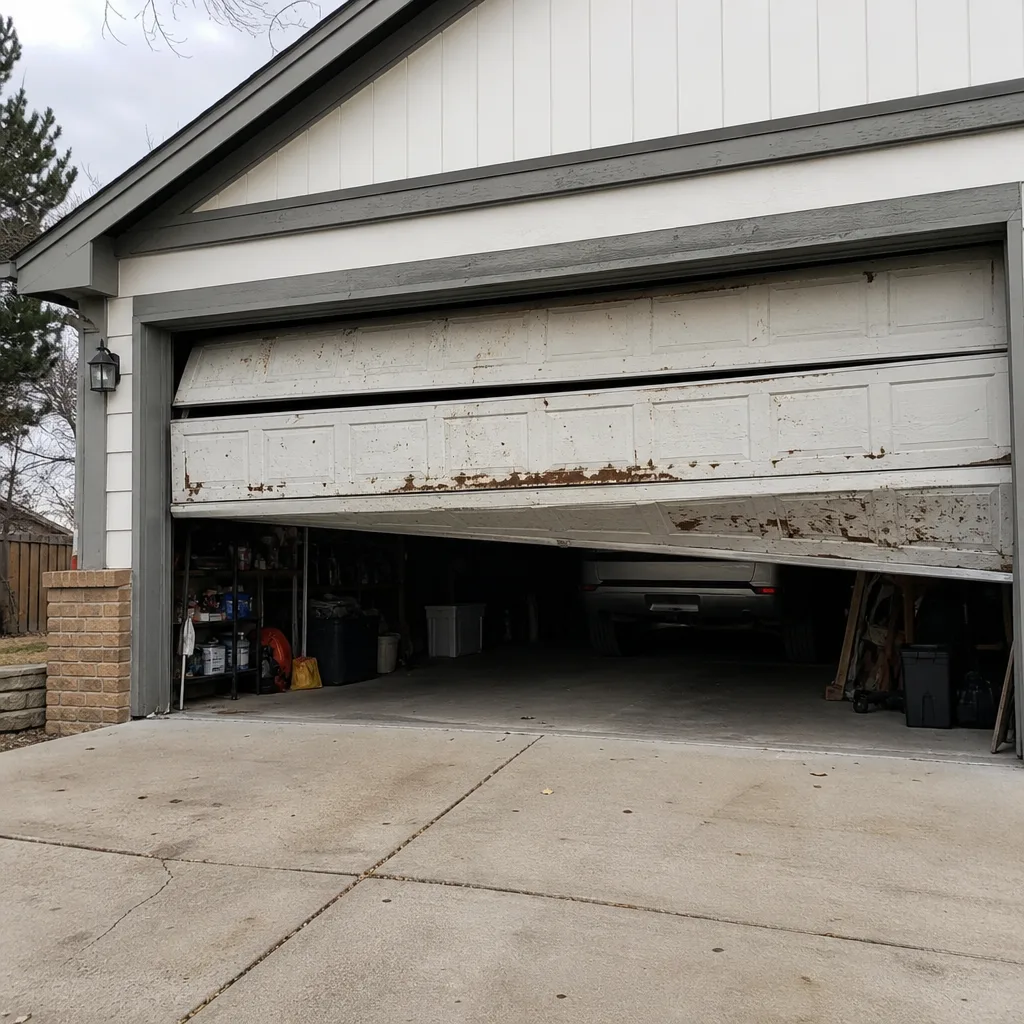 Before
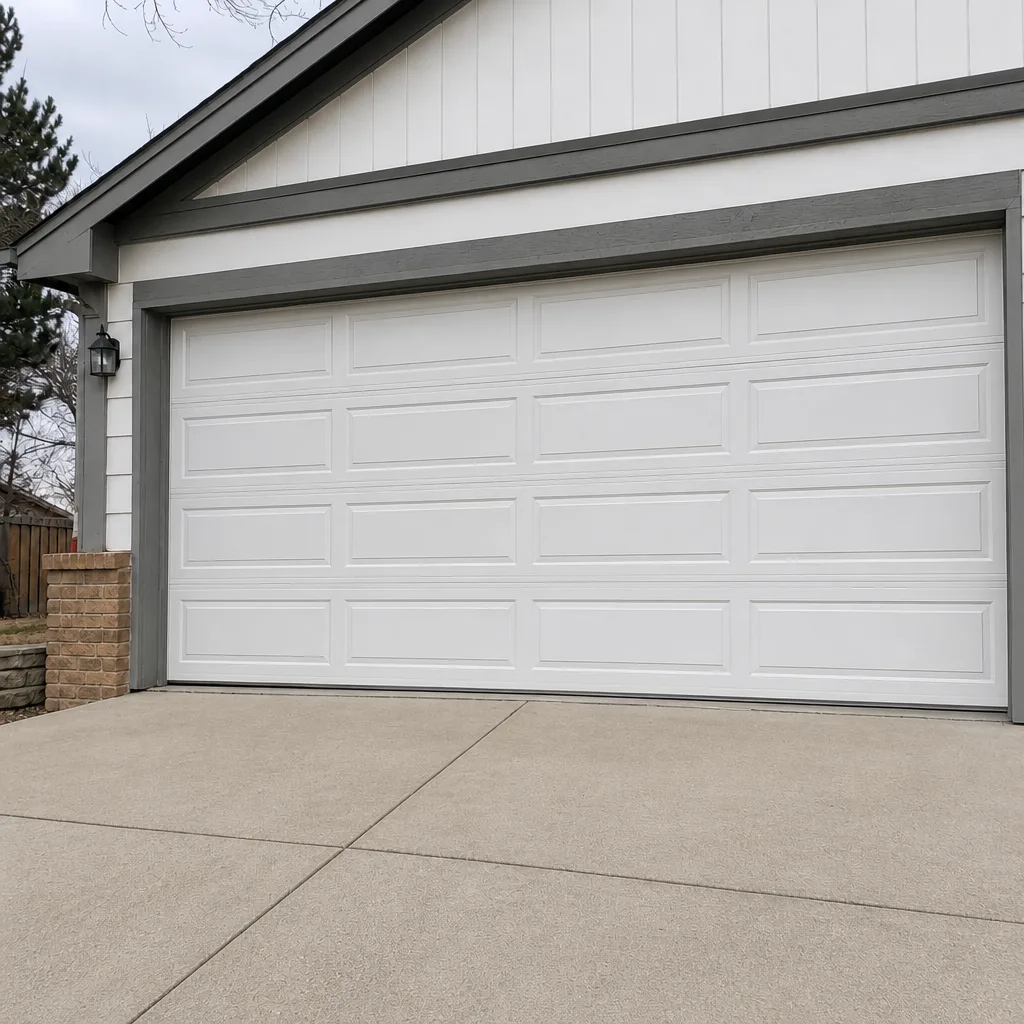 After
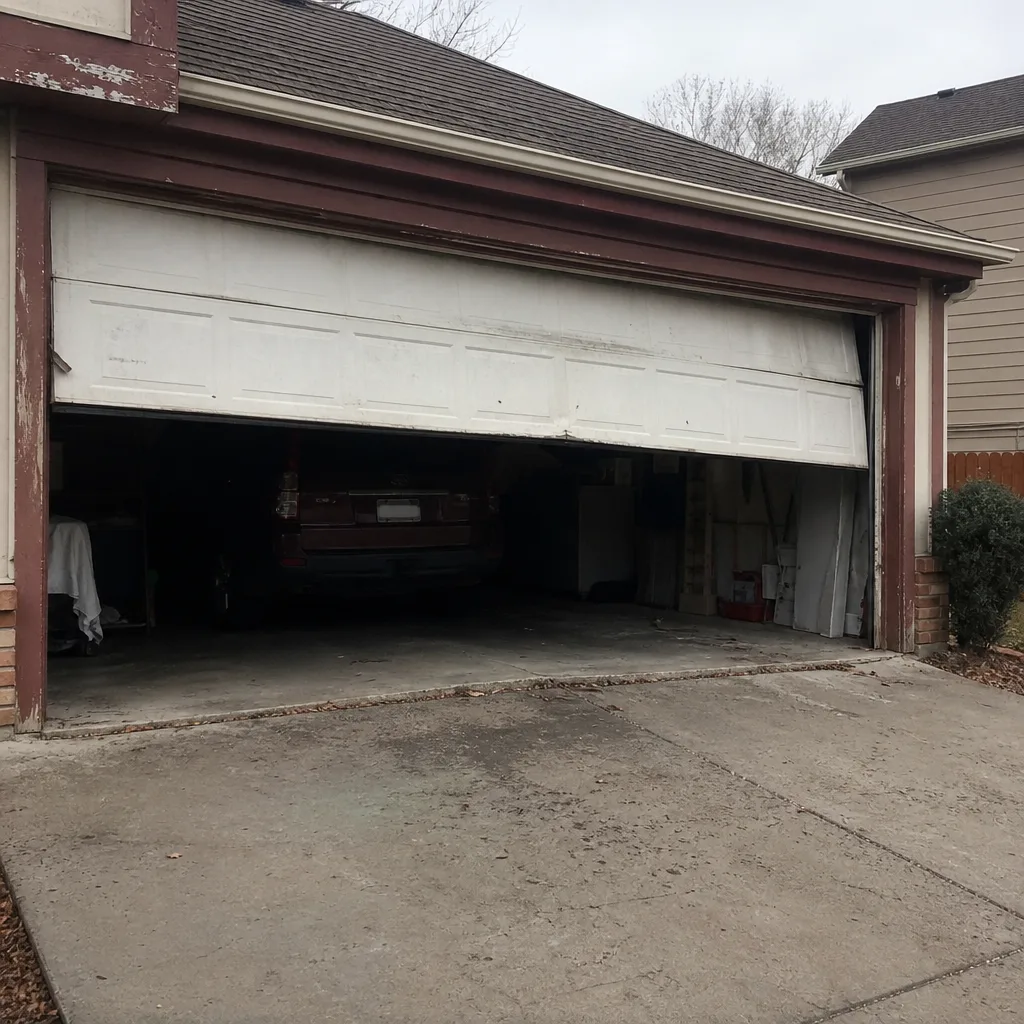 Before
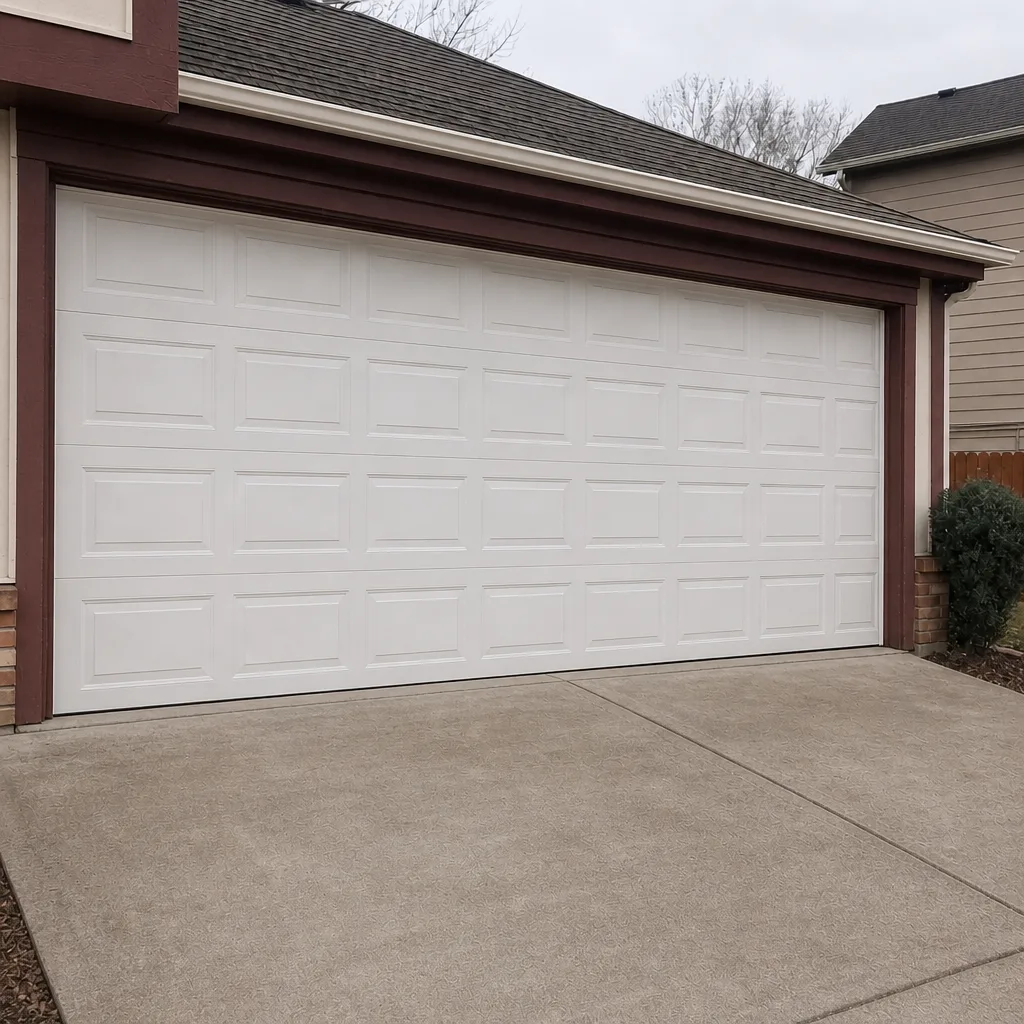 After
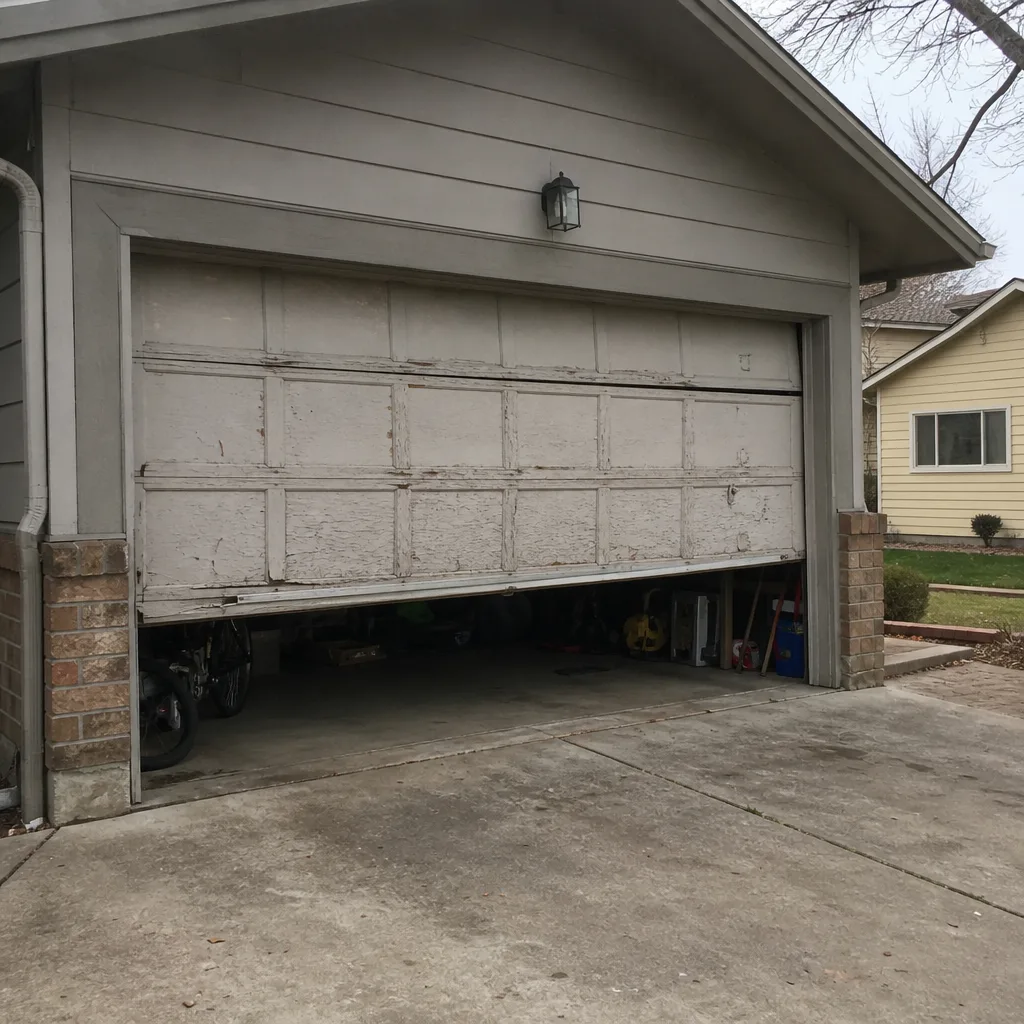 Before
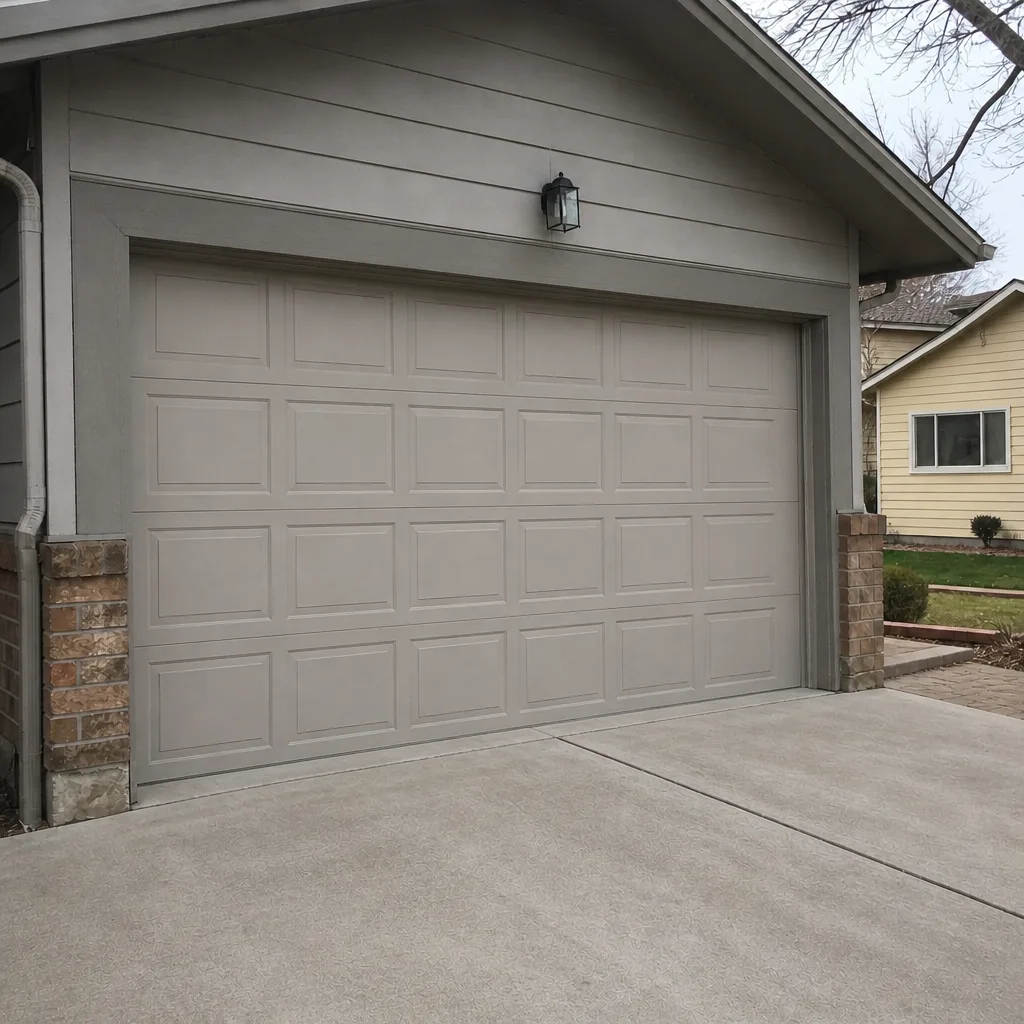 After
When to Call a Professional
Call us when anything on the checklist turns up a problem you can’t safely solve. That includes a balance test that fails, a door that reverses abnormally, a spring that looks worn, cramped, or bent, a cable that’s frayed, an opener that’s missing its travel limits, or a door that’s begun to sag on one side. If you’re in Highlands Ranch, our team can look at the whole system in one visit, whether the issue is in the door hardware or the opener. If the opener is the problem, garage door opener repair covers motors, limits, and control issues. Banner Garage Door Repair offers free estimates in Highlands Ranch; call (844) 761-2567. We answer 24/7, and fast dispatch from 7am to 7pm, Sunday through Friday. We’re closed on Saturday.
Frequently Asked Questions
Most doors need owner-run lubrication and inspection every 3 to 6 months, with a professional tune-up once a year or about every 1,400 to 2,000 cycles. The March freeze-thaw window is the highest-value maintenance date on the calendar. Call (844) 761-2567 for a free estimate.
Spring repair in the area typically runs about $180 to $340 for one spring. If both springs are replaced as a matched pair, which is common, the cost is roughly double that range. Call (844) 761-2567 to schedule a free estimate, and the written quote sets the final price before any work begins.
Yes, the hinges, roller stems, bearing plates, and spring coils are all reasonable owner tasks. Skip the tracks, the bottom seal, and the photo-eye lenses, and use a garage-door-specific spray or white lithium grease. Call (844) 761-2567 if you’d rather have a technician handle it.
The safest early-warning test is the balance test: disconnect the opener, lift the door halfway, and let go. If it doesn’t stay put, a spring is losing tension. Call (844) 761-2567 for a free assessment before it breaks.
Yes. Force sensitivity, travel limits, mounting, and sensors should all be checked at the same time as the door hardware. A stiff door works the opener harder, so the two should be maintained together. Call (844) 761-2567 to schedule the whole-system check.
No. The written estimate is the price, and you agree to it before any work starts. If something unexpected turns up, we’ll tell you before we do anything that changes the number. Call (844) 761-2567 for a free estimate in Highlands Ranch.
The Bottom Line
The maintenance schedule that actually protects your door is built on cycles and seasons, not the calendar month. Lubricate and inspect every 3 to 6 months, run the balance test and safety-reverse test alongside, and book a professional tune-up once a year or at the cycle milestone. Treat March in Highlands Ranch as the one date that can’t be skipped, since that’s when freeze-thaw does the most damage. Learn the difference between owner tasks and technician tasks, and don’t touch a spring that’s under tension. That’s the whole schedule, and it’s far cheaper than a spring failure.
If you’ve run the checklist and something looks off, or you’d like a technician to confirm the whole system, Banner Garage Door Repair is here for it. We cover repair, opener repair, and installation, we work across Genie, Clopay, Amarr, Wayne Dalton, and other major brands, and we’ll look at what you already own before suggesting a replacement. Call (844) 761-2567 for a free estimate. We answer 24/7. Fast dispatch, 7am-7pm, Sunday through Friday.
Written by the team at Banner Garage Door Repair.