
Last updated November 15, 2026
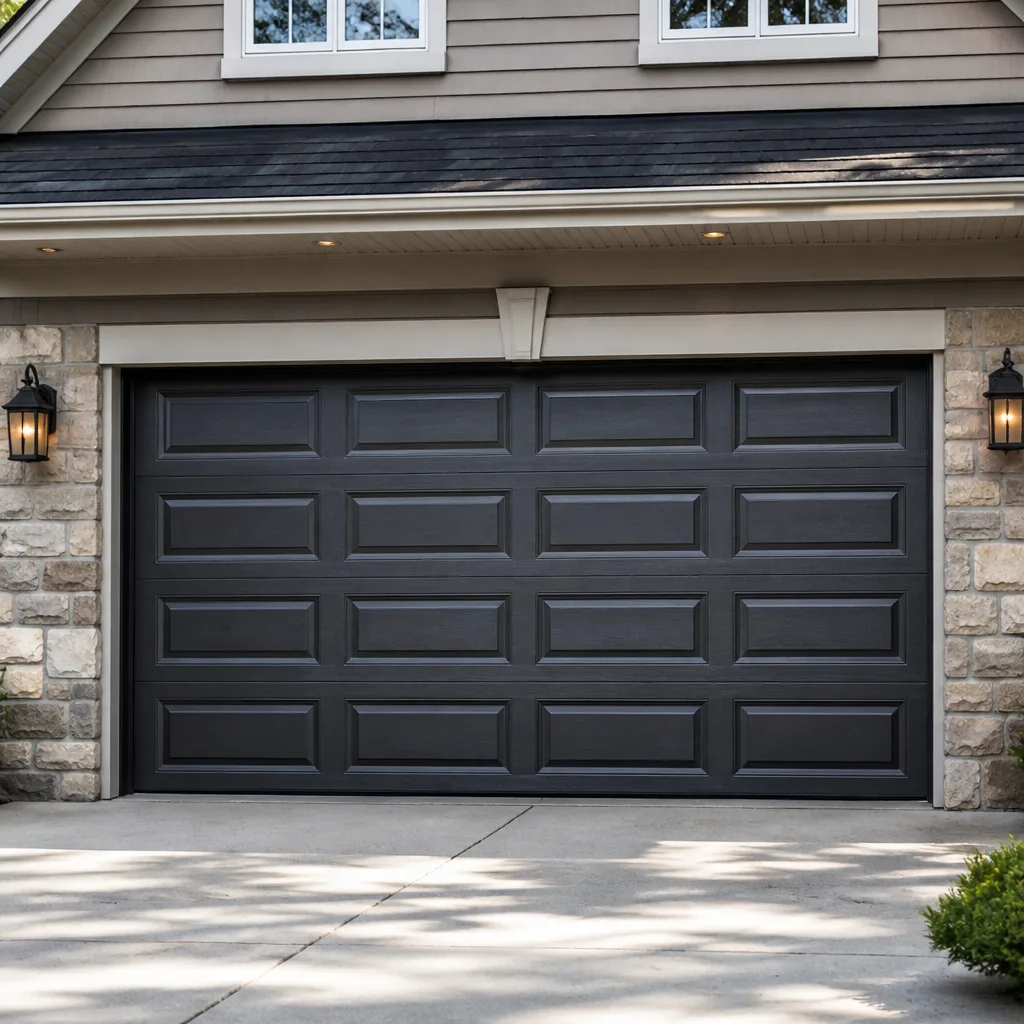 Raised-panel steel
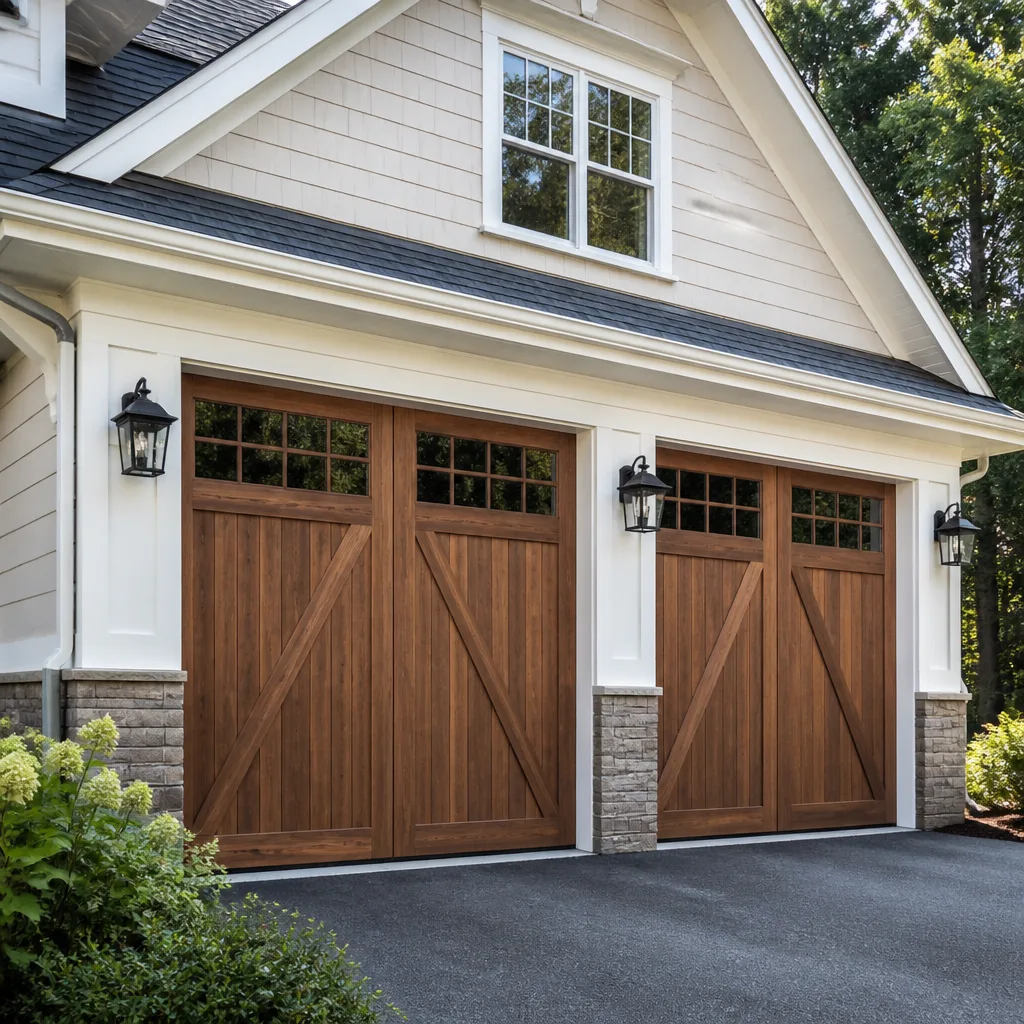 Carriage house
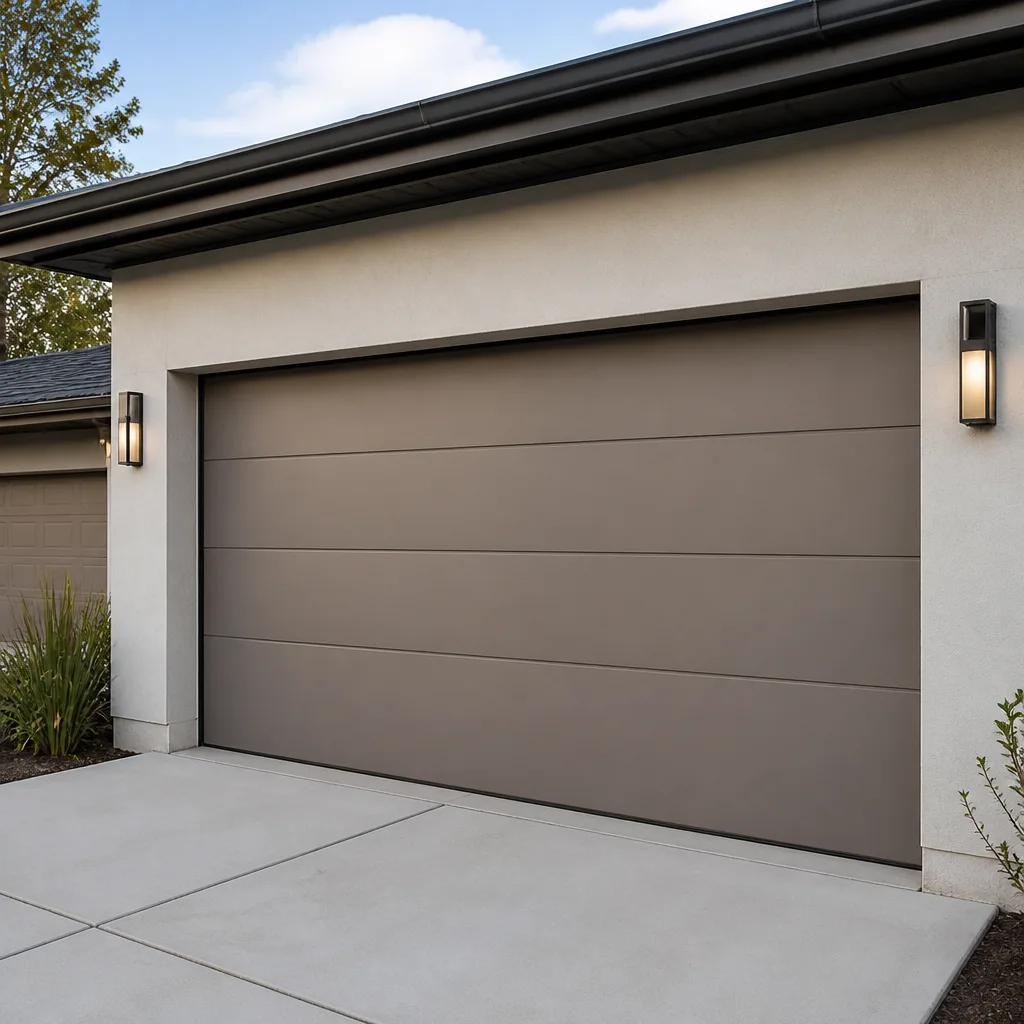 Modern flush
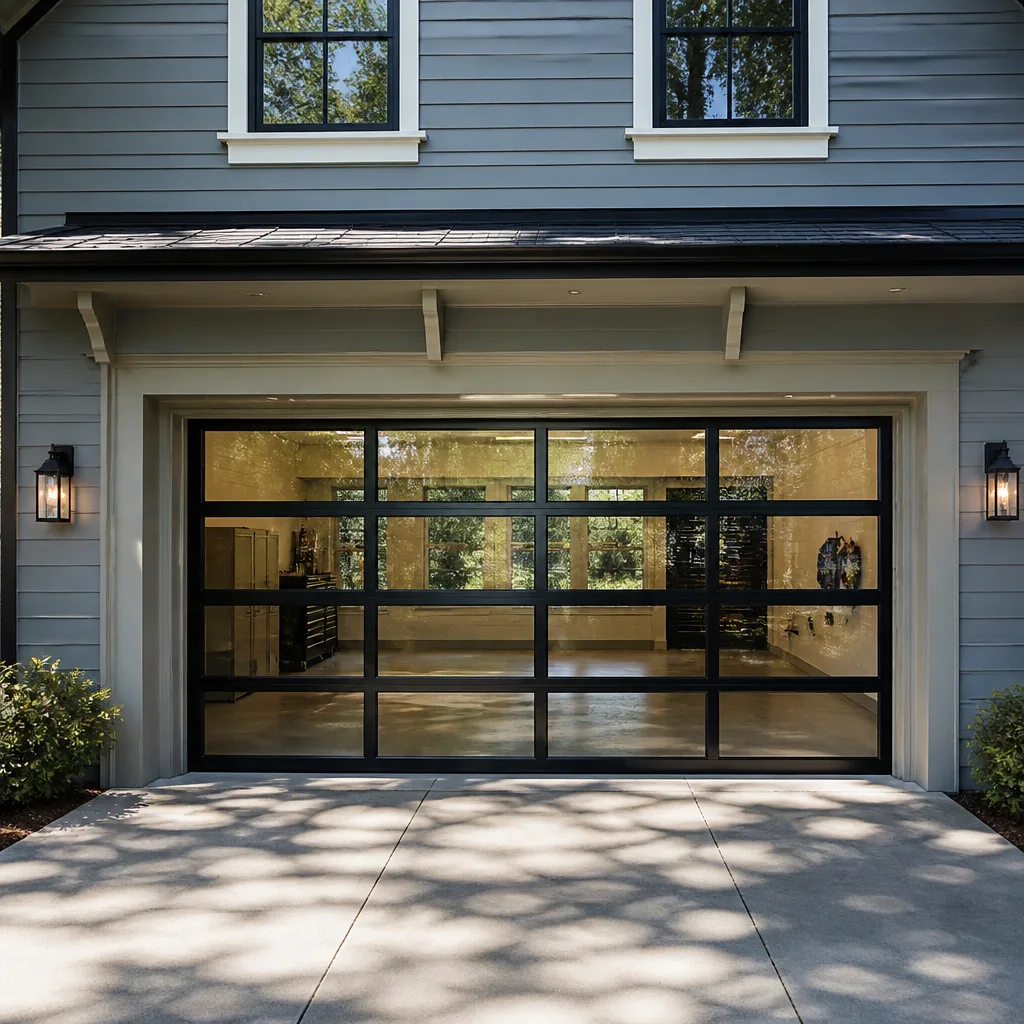 Full-view glass
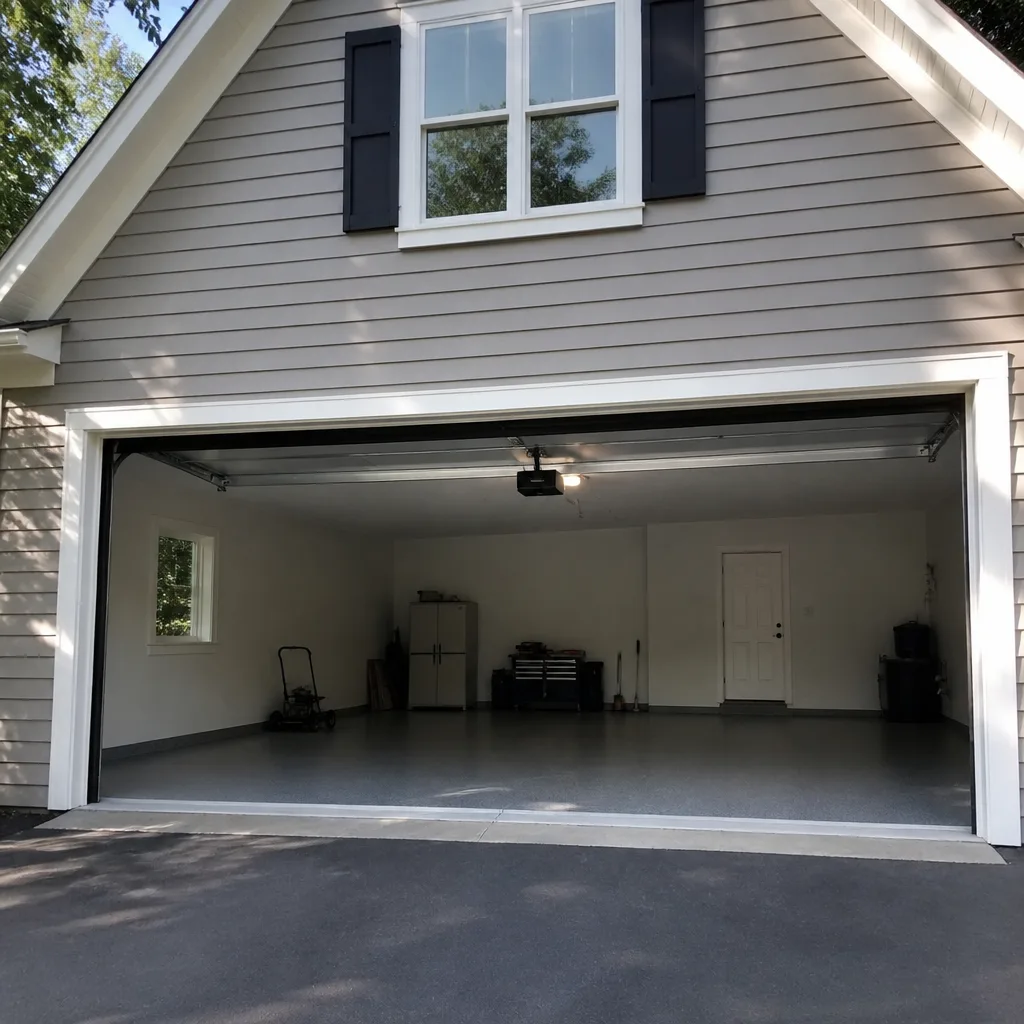 LiftMaster openers
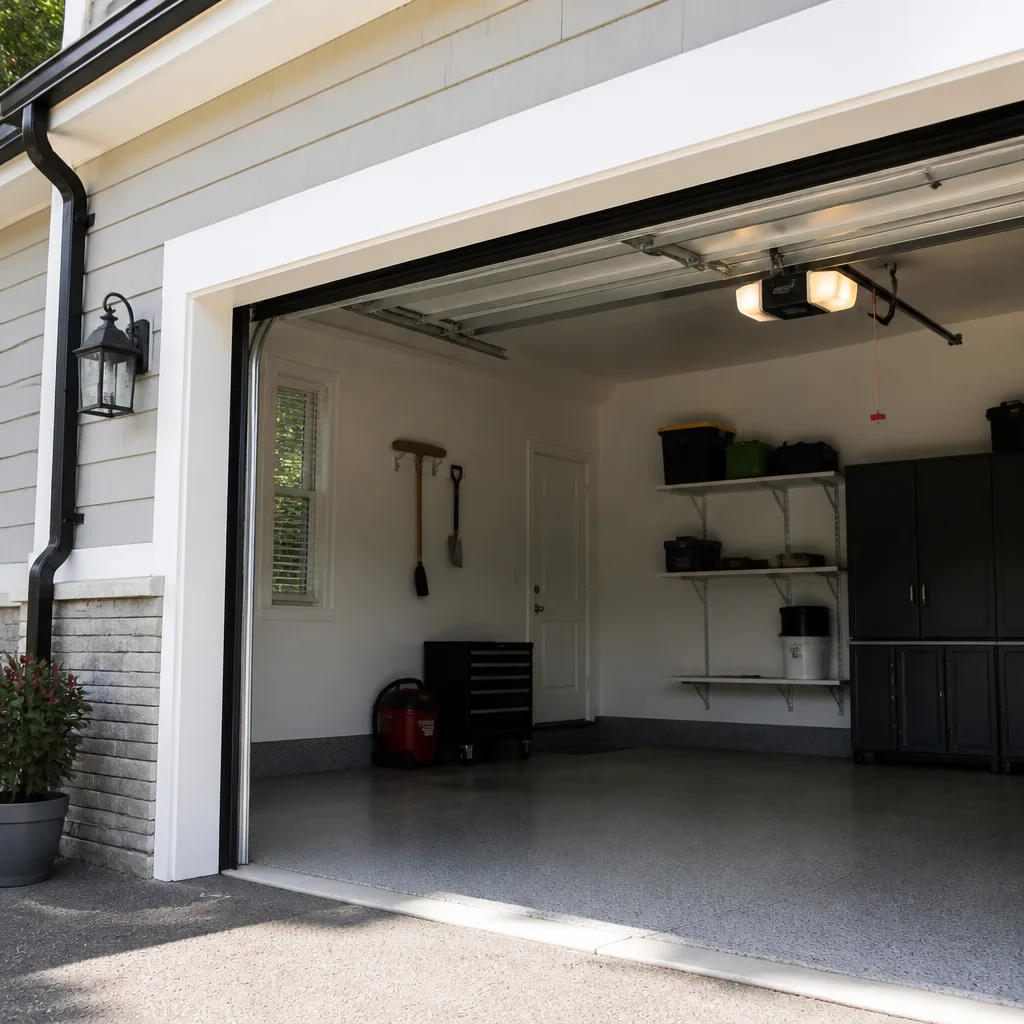 Chamberlain openers
Full 25-point door and opener safety check with every visit - springs, cables, rollers, tracks, and your LiftMaster or Chamberlain opener included
You get a price before we start. It does not change when the pro arrives.
Get your free estimateGarage Door Repair Troubleshooting in Highlands Ranch: Common Problems and How to Fix Them
A door that reverses before it closes isn’t broken. It’s doing exactly what it was told. Something in the system sent a stop signal, and the door obeyed it. That distinction matters more than any single repair tip, because most wasted money comes from fixing the wrong layer of the problem: swapping an opener when the sensors are out of line, replacing rollers when the track has lost its pitch, or blaming the motor for what is really a spring that has quietly given up.
In Highlands Ranch, we see this pattern constantly. This guide teaches you to identify the layer first, then the fault. You’ll learn the three-layer diagnostic framework, the five problems homeowners most often misdiagnose, which checks are safe to do yourself, and where to stop and call. We work on every major brand, so the advice covers what you actually own.
Quick Answer
Most garage door problems in Highlands Ranch come down to one of three layers: mechanical (springs, cables, rollers, hinges), electrical (opener logic, sensors, remote or wall control), or structural (track alignment, panel damage, the door frame itself). Identify the layer before you touch anything. Reverse-before-close issues are almost always electrical (safety sensors), noise is usually structural (track pitch), and slow or heavy lifting is almost always mechanical (spring tension). Springs and cables are never a DIY repair: they hold enough stored force to cause serious injury, and that’s the point where you stop and call a trained technician.
Styles & brands we work with
- Raised-panel steel
- Carriage house
- Modern flush
- Full-view glass
- LiftMaster openers
- Chamberlain openers
Table of Contents
- The Three-Layer Diagnostic Framework
- How Highlands Ranch Climate Affects Your Door Seasonally
- Problem 1: The Door Reverses Before It Closes
- Problem 2: The Door Is Loud and Rumbling
- Problem 3: The Door Is Slow or Strains to Lift
- Problem 4: The Door Won’t Move at All
- Reading Brand-Specific Error Codes Without a Manual
- What’s Safe to Fix Yourself (and What Isn’t)
- Common Mistakes to Avoid
- When to Call a Professional
- Frequently Asked Questions
The Three-Layer Diagnostic Framework
Before you check a single part, sort the symptom into a layer. This is the step most people skip, and it’s the reason so many fixes don’t hold. A garage door is three systems stacked on top of each other, and each one fails in its own way.
Layer 1: Mechanical. This is the lifting and moving hardware: springs, cables, rollers, hinges, and the drum assembly. Mechanical faults show up as weight and effort problems. The door feels heavy when you lift it by hand, it strains to open, or it slams down instead of settling. Springs are the workhorse here, and they carry enormous stored tension. This is the layer where DIY stops being a good idea.
Layer 2: Electrical. This covers the opener motor, the logic board, the wall control, the remotes, and the safety sensors at the base of the tracks. Electrical faults show up as behavior problems: the door reverses, the opener runs but the door doesn’t move, the lights flash in a pattern, or a remote stops working. A surprising number of electrical “failures” are actually one loose sensor wire.
Layer 3: Structural. This is the frame the whole system hangs on: the vertical and horizontal tracks, the brackets, the panels, and the header above the door. Structural faults show up as noise, rubbing, binding, or a door that looks crooked in its opening. A dented panel from a backed-in car is structural. So is a track knocked out of alignment.
Here’s the diagnostic order we recommend, and it works for almost any door in Highlands Ranch:
- Watch the door from opening to closing without touching anything. Note exactly where in the travel the problem happens.
- Decide whether the symptom is about weight (mechanical), behavior (electrical), or noise and alignment (structural).
- Test the simplest electrical things first: sensors, wall control, and the manual disconnect. They’re safe and free to check.
- Look along the tracks and panels for visible structural damage or misalignment.
- If the problem points to springs or cables, stop. Don’t test further.
Once you know the layer, the specific fault usually becomes obvious. That’s the whole point of the framework: it narrows the field before you spend a minute or a dollar.
How Highlands Ranch Climate Affects Your Door Seasonally
Highlands Ranch sits at elevation along the Front Range, and the door on the front of your house lives through a wider temperature swing than most of the country sees in a year. Summer afternoons push into the high heat, and winter cold snaps drop well below freezing. That constant back and forth is hard on two parts of your door more than any others.
Springs and temperature. Torsion springs hold their tension through torsion, and metal expands and contracts with temperature. A spring that’s approaching the end of its cycle count can feel fine on a mild fall day and strain noticeably in a hard freeze. When the temperature drops, the metal contracts, the stored tension shifts, and a door that opened smoothly all summer suddenly feels heavier or stops lifting cleanly. This is why so many spring problems in Highlands Ranch show up in the first cold snap of the season rather than in July. It also means a spring that’s slightly under tension in fall can be dangerously overtensioned in summer heat. Balancing is a real service, not a marketing line.
Sensors and alignment. The safety sensors at the base of your tracks send an invisible beam across the opening. That beam is sensitive to two local realities: sun angle and physical shift. On the Front Range, low winter sun rakes across garage openings at an angle that can blind a receiver sensor for an hour or two a day, causing the door to reverse even though nothing is in the way. Separately, the ground around a Highlands Ranch foundation moves with freeze and thaw, and a track bracket bolted to that ground can shift a fraction of an inch over a season. A fraction of an inch is all it takes to knock two sensors out of alignment. Cleaning the sensor lens and confirming the small indicator light on each one is a safe, quick check.
Seals and weatherstripping. The rubber seal along the bottom of the door takes the brunt of the temperature cycling. Cold makes it stiff and brittle; heat makes it soft and sticky. A stiff seal can drag and throw off the door’s balance, and a worn seal lets in the cold air that makes your attached garage uncomfortable all winter. It’s one of the cheapest parts on the door and one of the most overlooked.
None of this means your door is fragile. It means the door needs a look at the change of seasons, not just when it breaks. A quick seasonal check in fall and spring catches most of what the Highlands Ranch climate throws at it.
Problem 1: The Door Reverses Before It Closes
This is the number one misdiagnosis we see. The door starts down, stops partway, and goes back up. Homeowners call it an opener problem and assume the motor is failing. Almost every time, it’s the safety sensors.
The sensors exist to stop the door if something crosses the beam. When the beam is broken, or the sensors can’t “see” each other, the opener does the safest thing it knows: it reverses. It’s not misbehaving. It’s protecting you. The fix is almost never a new opener.
Here’s the safe diagnostic sequence for a reversing door in Highlands Ranch:
- Look at both sensors at the base of the tracks. Each one has a small indicator light.
- If one light is off or flickering, the beam isn’t getting through. Wipe both lenses with a dry cloth first, since dust and cobwebs break the beam.
- Check for anything in the path: a stored box, a bike, a hanging broom handle, a garden hose, or a pet that wandered through.
- Look at the brackets. If one sensor has been bumped and now points slightly off-target, the beam misses. Sensors should face each other squarely.
- Check that the wire running to each sensor is firmly seated and not pinched by the track.
- If the sun is the culprit at a certain time of day, the receiver may be getting blinded. A small shade over the receiver, or realigning it slightly, often solves it.
If both lights are solid, the beam is clean, and the door still reverses, the problem may have moved up into the opener’s travel limits or its logic board. That’s still electrical, not mechanical. In our experience across Highlands Ranch, though, most reversed doors are solved at step two or three. There’s no reason to replace a perfectly good opener over a sensor problem, and that’s exactly the kind of upsell we work to avoid. For a deeper dive into the motorized side of this system, see our guide to garage door opener repair.
Problem 2: The Door Is Loud and Rumbling
A noisy garage door is usually blamed on worn rollers. Sometimes that’s right. More often, it’s the track.
Your door runs on horizontal and vertical tracks, and those tracks aren’t perfectly parallel by accident. There’s a specific pitch and spacing that lets the rollers glide with just enough play. When a track gets knocked slightly out of alignment, even by a fraction of an inch, the rollers start rubbing instead of rolling. The door still works, so nobody notices until the grinding gets loud enough to wake the house. New rollers on a misaligned track will quiet it for a few weeks and then get chewed up, which is why the roller swap doesn’t hold.
The safe checks here are visual and gentle:
- Watch the door travel and listen for where the noise peaks. Front, middle, or rear of the track tells you where to look.
- Look along the vertical tracks for bends, dents, or a section that’s clearly pulled away from its brackets.
- Check the rollers themselves for flat spots, chips, or wobble. A worn roller should look obviously worn, not just older.
- Listen to the opener’s rail and chain separately from the door. A noisy chain or a dry screw drive is an opener issue, not a door issue.
What you shouldn’t do is loosen the track brackets and start adjusting. The tracks are set against the door’s weight and the header, and moving them can throw off the whole system. If the noise traces to the track, that’s a job for a technician who can measure the pitch and reset it. If it traces to the opener rail or a worn drive gear, that’s a separate repair, and having both door and door opener knowledge under one call saves you from a second visit.
In Highlands Ranch, the temperature swing also loosens hardware over a season. A door that’s noisy only in late fall has often just backed out a few bolts. A technician torquing everything back to spec is inexpensive and quiets more doors than a roller swap.
Problem 3: The Door Is Slow or Strains to Lift
When the door opens slowly or seems to drag, the first instinct is a tired motor. It’s rarely the motor. A slow, heavy door is almost always a mechanical problem: lost spring tension.
Springs do the actual lifting. The opener only guides the door and provides the last bit of push. When a spring loses tension, or a spring on one side begins to fail, the door becomes heavier than the springs can carry, and the opener works harder. It may open, but slowly and with strain. If it’s struggling enough, the opener’s overload protection can kick in and stop it partway. Replacing the motor in this scenario fixes nothing. The springs are the cause.
Here’s how to tell spring trouble from motor trouble, safely:
- Disconnect the door from the opener using the manual release, and lift the door by hand to about waist height.
- Let go. A balanced door stays where you left it, or drifts only slightly. A door with spring trouble sinks right back down.
- Look at the springs above the door. A broken spring often shows a visible gap in the coil.
- If the door doesn’t hold position, or you see a gap in the spring, stop here. This is spring territory.
The disconnection and gentle hand-lift are safe. Working on the spring itself is not. A torsion spring holds the weight of the entire door, and releasing it incorrectly can cause severe injury. That’s the clearest line between a safe diagnostic step and a call for help. If your door passes the balance test but still opens slowly, the cause may be on the electrical side: a fatigued opener capacitor or travel setting. That’s a much cheaper fix than a motor swap, and it’s worth diagnosing before anyone sells you a full replacement.
Springs also wear on a cycle count, so a heavy door in Highlands Ranch isn’t a sign of misuse. It’s arithmetic. Every open and close adds up, and the cold swings accelerate the wear at the end of a spring’s life.
Problem 4: The Door Won’t Move at All
A completely dead door comes in two flavors, and they sound identical. Either the opener runs and the door doesn’t move, or the opener makes no sound at all. Telling them apart changes everything that follows.
If the motor hums or runs but the door doesn’t move: the opener is trying, so it’s not a power problem. Check the manual release: the door may be disconnected from the carriage. Look for a broken spring, which would leave the opener too weak to lift the weight. Check that the door isn’t physically jammed or locked, including the lock bar if your door has one.
If the opener is completely silent: you have an electrical problem. Work through the basics safely first:
- Confirm the opener has power. Check the outlet and the circuit breaker. A garage outlet on a shared circuit can trip.
- Check the wall control. If the wall control works but remotes don’t, the problem is in the remote or its receiver. If neither works, look at the opener itself.
- Listen for a click when you press the control. A click with a silent motor points to the logic board or capacitor. No click at all points to power or a dead board.
- Check whether a lock setting got engaged by accident. Some wall controls have a lockout button, and it doesn’t always look pressed.
What you shouldn’t do is open the opener housing and start testing the logic board with a screwdriver. The board carries live current, and there’s nothing to gain visually. If you’ve confirmed power and the wall control and the door is still dead, that’s a diagnostic for a technician with the right tester. This is the kind of fault that’s better handled as part of a full garage door repair call, since the technician can look at the whole system instead of just the opener cabinet.
One more Highlands Ranch factor in a dead door: the cold. A door that’s stuck only in winter often has a swollen or frozen bottom seal gripping a cold floor, or a sensor that’s frosted. If the door frees up as the day warms, you’ve learned something. Address the seal before it traps you in the driveway.
Reading Brand-Specific Error Codes Without a Manual
One of the practical advantages of working across brands for years is pattern recognition. When a door fails, the brand tells you a lot about what to check first. You don’t need the manual if you know what each brand’s signals mean.
LiftMaster and Chamberlain. These two share a lot of engineering, and most use a diagnostic LED on the opener that blinks a count. The blink count is the code. Before you try to decode it, look at the wall control too: many LiftMaster units display a written error message there that names the sensor or the travel limit outright. It’s a quick way to skip the code-chart hunt. The number-one error on these units in our experience is a sensor fault, and the number-one fix is realigning the sensors rather than replacing anything.
Craftsman. Craftsman openers, sold under the Craftsman brand for years, often use the same blink-code system. If you own a Craftsman, count the blinks and match them to the sensor, travel, or safety-reverse categories. The most reliable thing you can do without a manual is check the light sensors first, since that accounts for most of what we see.
Genie. Genie units tend to use both a blink code and an LED on the wall control. The pattern points to specific causes, and the sensor check is again the first thing to do.
Clopay, Amarr and Wayne Dalton. These are primarily door manufacturers, not opener makes. The door itself doesn’t throw codes, but the brand matters for parts: a Clopay panel takes Clopay hardware, and a Wayne Dalton door has unique torsion and roller configurations that a brand-familiar technician will recognize on sight. When a technician knows the door brand as well as the opener brand, they don’t have to guess whether the replacement part will fit.
What we don’t recommend is relying on a generic code chart from a random search. Codes change between model generations, and the same blink count can mean different things on different years. The best no-manual move is always the same: check the sensors and the wall control display, because those solve the majority of cases. If that doesn’t do it, tell the technician the brand and model number.
What’s Safe to Fix Yourself (and What Isn’t)
One of the most useful things we can do as people who work on these systems every day is tell you where the line is. Being honest about that protects homeowners, and it saves us from undoing bad fixes later. Here’s our stop-here checklist.
Safe to check or do yourself:
- Wipe the safety sensor lenses and confirm each indicator light is solid.
- Realign a sensor that’s been bumped so it points squarely at its partner.
- Remove anything from the door’s path and tighten a loose sensor bracket.
- Test the door’s balance by hand using the manual release.
- Check the outlet, breaker, and wall control.
- Replace a remote battery and re-pair a remote using the opener’s pairing button.
- Apply garage door lubricant to rollers and hinges, keeping it off the tracks themselves.
- Swap a worn bottom seal, provided the door is disconnected and stable.
Stop here and call a professional:
- Springs of any kind. Torsion and extension springs hold the full weight of the door under extreme tension. They can fail suddenly and cause serious injury. Never wind, unwind, adjust, or remove a spring yourself.
- Cables and drums. The cables carry the same stored energy as the springs, and a slipped cable can whip with enough force to do real harm.
- Track adjustment. Moving a track out of spec can make the door bind, jump the rollers, or fall. It needs measurement, not guesswork.
- Electrical work inside the opener housing. The logic board carries live current. Diagnosis, not disassembly.
- Replacing or rebalancing the door itself. Panel replacement and whole-door adjustment are structural work with real weight involved.
The pattern is simple: you can safely inspect, clean, and reset at the electrical layer near the floor, and you can test balance. Anything that involves stored spring tension or heavy lifting belongs to a trained technician. A professional knows a spring on sight and works it safely. Call Banner Garage Door Repair if you get to any line on the second list, and don’t apologize for calling. We’d rather diagnose a real spring problem than see a homeowner hurt trying to solve one.
Common Mistakes to Avoid
- Replacing the opener for a sensor problem. A reversing door almost always has a sensor issue, not a motor issue. Buying an opener first is the most expensive way to fix a problem that a cloth and a small realignment would solve.
- Swapping rollers on a misaligned track. New rollers will wear out fast if the track has lost its pitch. Fix the track or the noise comes back.
- Blaming the motor for lost spring tension. A slow door is usually a mechanical problem. The motor is doing extra work because the springs aren’t carrying their share.
- Ignoring the seasonal swing in Highlands Ranch. A door that works in July doesn’t always work in the first deep freeze. Check the springs, seals, and sensors at the change of seasons, not only when something breaks.
- Forcing a frozen or stuck door. If the door is bound or frozen, yanking the opener or prying the door can damage panels or the opener itself. Stop and diagnose.
- Lubricating the tracks. Tracks should be clean and dry. Grease on the tracks collects grit and causes slipping. Lubricate the rollers and hinges, not the tracks.
- Mixing brands of parts on a brand-familiar door. A Wayne Dalton door has specific components, and a Clopay panel takes matching hardware. Parts that don’t belong can cause more noise and wear.
When to Call a Professional
Call a professional the moment your diagnosis points to springs, cables, or track alignment, and don’t wait to see if it gets worse. Springs can fail completely from a standing start, and the safest time to handle one is before it breaks. Call if the door won’t hold its position when you lift it by hand, if you see a gap in a spring, or if the door is crooked in its opening. Call if you’ve checked power, sensors, and wall control and the door is still dead. And call if you’d rather have someone confirm your diagnosis before you spend anything on parts.
At Banner Garage Door Repair, our technicians have up to 9 years of experience with the door and opener systems you actually own. We’re factory-familiar with the major brands, including LiftMaster, Chamberlain, Genie, Clopay, Amarr, Wayne Dalton, Craftsman, and Raynor, so the solution fits the door, not the brand we happen to stock. Our three services (repair, door opener repair, and full installation) mean one call covers the whole system. Free estimates are available in Highlands Ranch. Call (844) 761-2567. We answer 24/7. Fast dispatch from 7am to 7pm, Sunday through Friday.
Frequently Asked Questions
Your safety sensors are the most likely cause. When the infrared beam between the two sensors at the base of the tracks is broken, obstructed, or misaligned, the opener reverses the door as a protective measure. In Highlands Ranch, dust, cobwebs, and seasonal freeze-thaw shifting of the track brackets are common culprits. Wipe the lenses, check that both indicator lights are solid, and confirm that nothing is in the door’s path. If the sensors look clear and the door still reverses, call (844) 761-2567 for a diagnosis. Estimates are free.
Not necessarily. Worn rollers are one cause, but a misaligned track is more common, and new rollers on a track that’s out of pitch won’t stay quiet for long. Listen for where in the travel the noise peaks, look along the tracks for bends or loose brackets, and check the rollers for visible wear. If the noise traces to the track, that’s a professional adjustment. Call (844) 761-2567 and we’ll look at the whole door.
No. Springs hold the full weight of the door under extreme tension, and a torsion spring that lets go can cause serious injury. Never wind, unwind, adjust, or remove a spring yourself. You can safely check for spring trouble by disconnecting the door and lifting it by hand, but the repair itself is a trained-technician job. Call (844) 761-2567 for a same-day appointment. We answer 24/7.
Cold weather contracts the metal in your springs, which shifts the stored tension and makes the door heavier than the springs can carry. The bottom seal also stiffens and can drag against a cold floor. A door that opens slowly in a freeze and fine in warm weather is very likely a spring tension or seal problem, not a failing motor. Have a technician check the springs before you replace the opener. Call (844) 761-2567 for a free estimate.
Count the blinks of the diagnostic LED on the opener, and check the wall control display first; many LiftMaster and Chamberlain units show a written message there that names the fault directly. Blink codes for both brands most often point to sensor issues. Check the sensors and their indicator lights before you try to decode anything else. If the code still doesn’t make sense, tell your technician the brand and model number and call (844) 761-2567.
We’re brand-familiar across the major manufacturers, including LiftMaster, Chamberlain, Genie, Clopay, Amarr, Wayne Dalton, Craftsman, and Raynor, so the fix fits the equipment you have. There’s no pressure to switch brands or replace a system that’s worth repairing. Repair first, replace only when it makes sense. Call (844) 761-2567 for a free estimate in Highlands Ranch.
The Bottom Line
Most garage door problems are one of three layers: mechanical, electrical, or structural. The homeowners who save money are the ones who identify the layer before they touch a part, because the wrong fix almost never holds. A reversing door is usually a sensor, not an opener. Noise is usually the track, not the rollers. A slow door is usually a spring, not the motor. In Highlands Ranch, the seasonal temperature swings make springs and sensor alignment the two things to check at the change of seasons. Safety is the one line that never moves: springs and cables are always a technician’s job. For anything that involves stored tension, call a professional.
Door down? We know that system. One call covers the whole system, from the springs to the opener to the panels. Whether you’re in Highlands Ranch or anywhere along the Front Range, call (844) 761-2567 for a free estimate. We answer 24/7. Fast dispatch from 7am to 7pm, Sunday through Friday. You’ll get a written quote before any work starts, and the price we agree on is the price you pay. Need a place to start? See our Highlands Ranch page or our guide to garage door repair.
Written by the team at Banner Garage Door Repair.
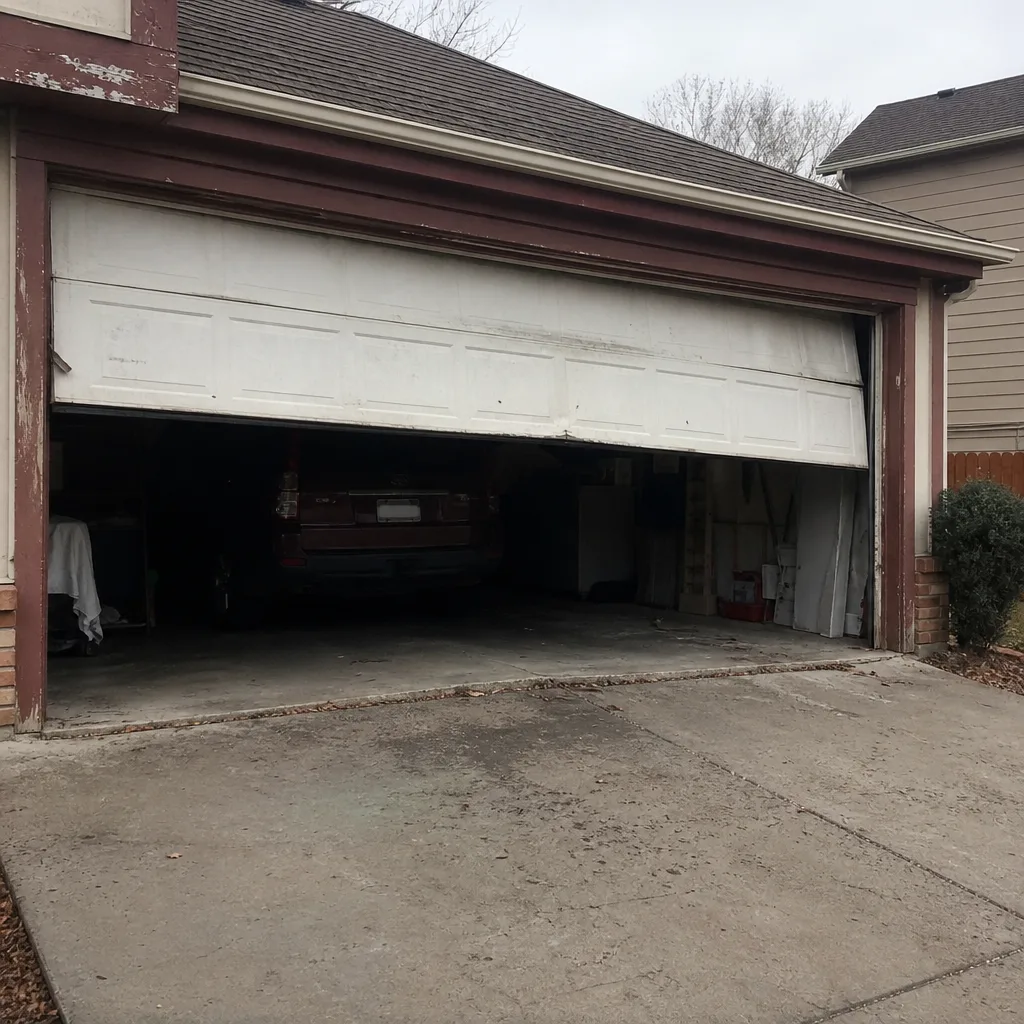
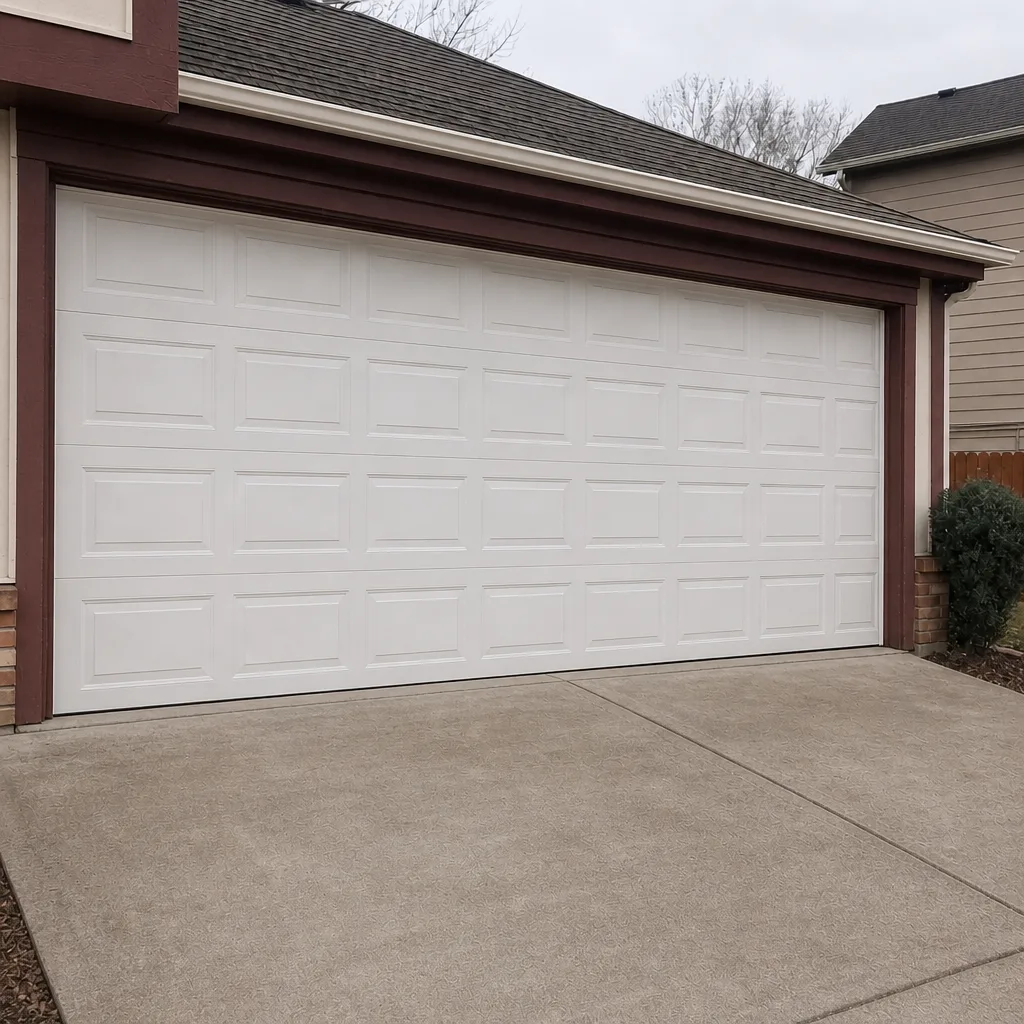
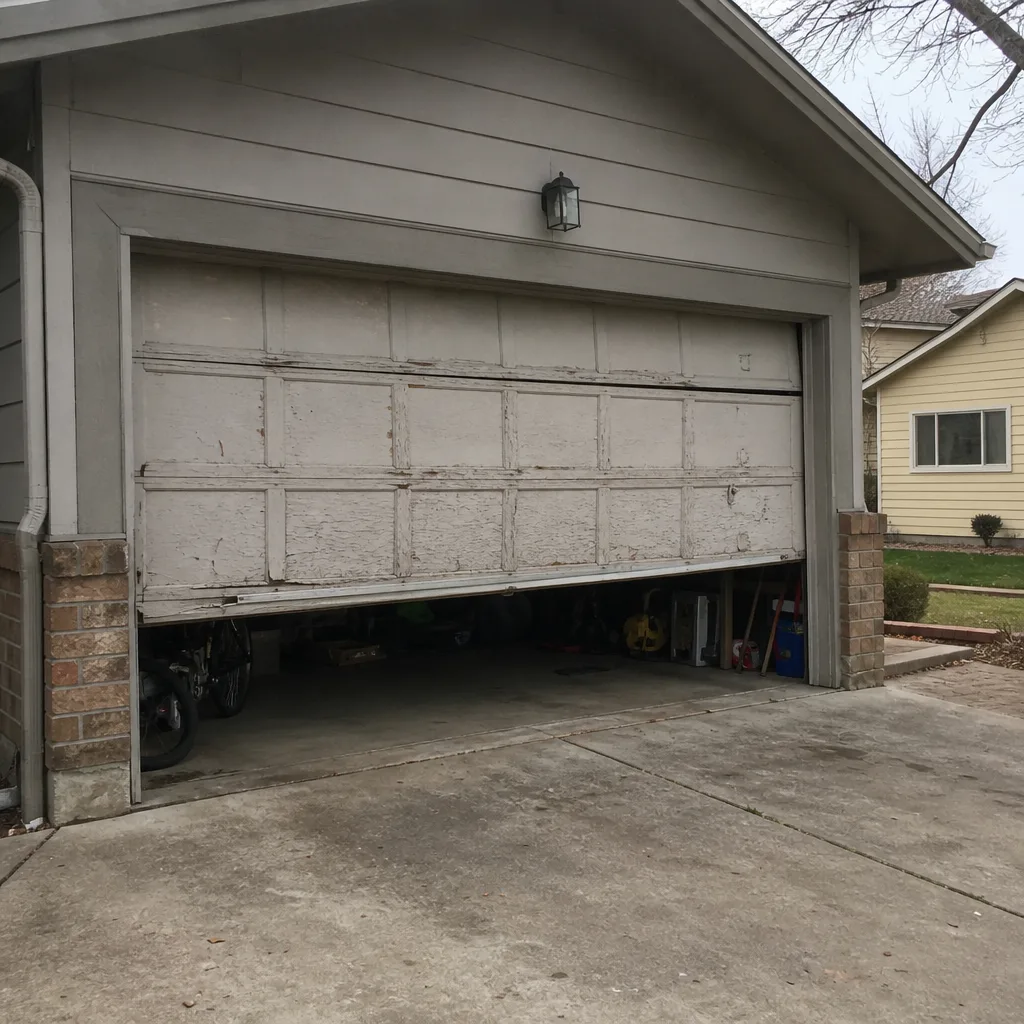
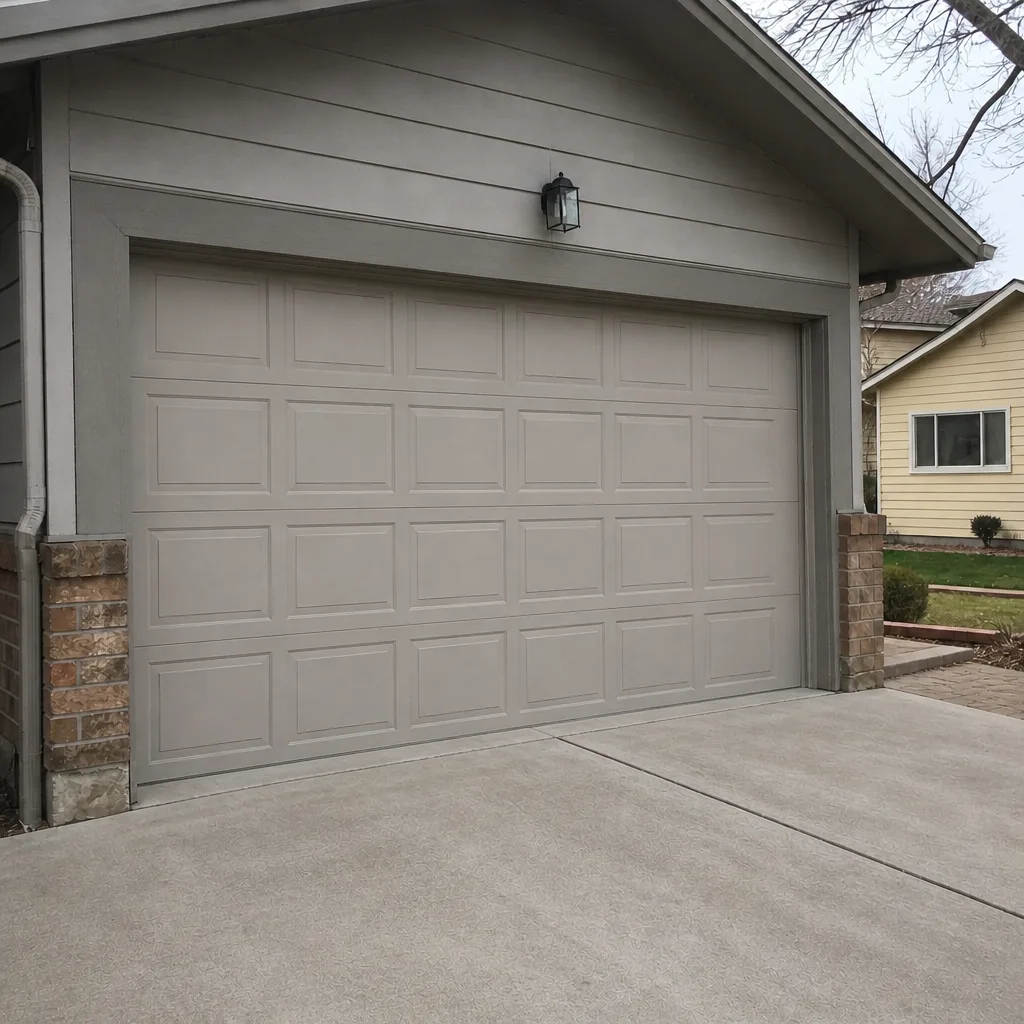
See the difference
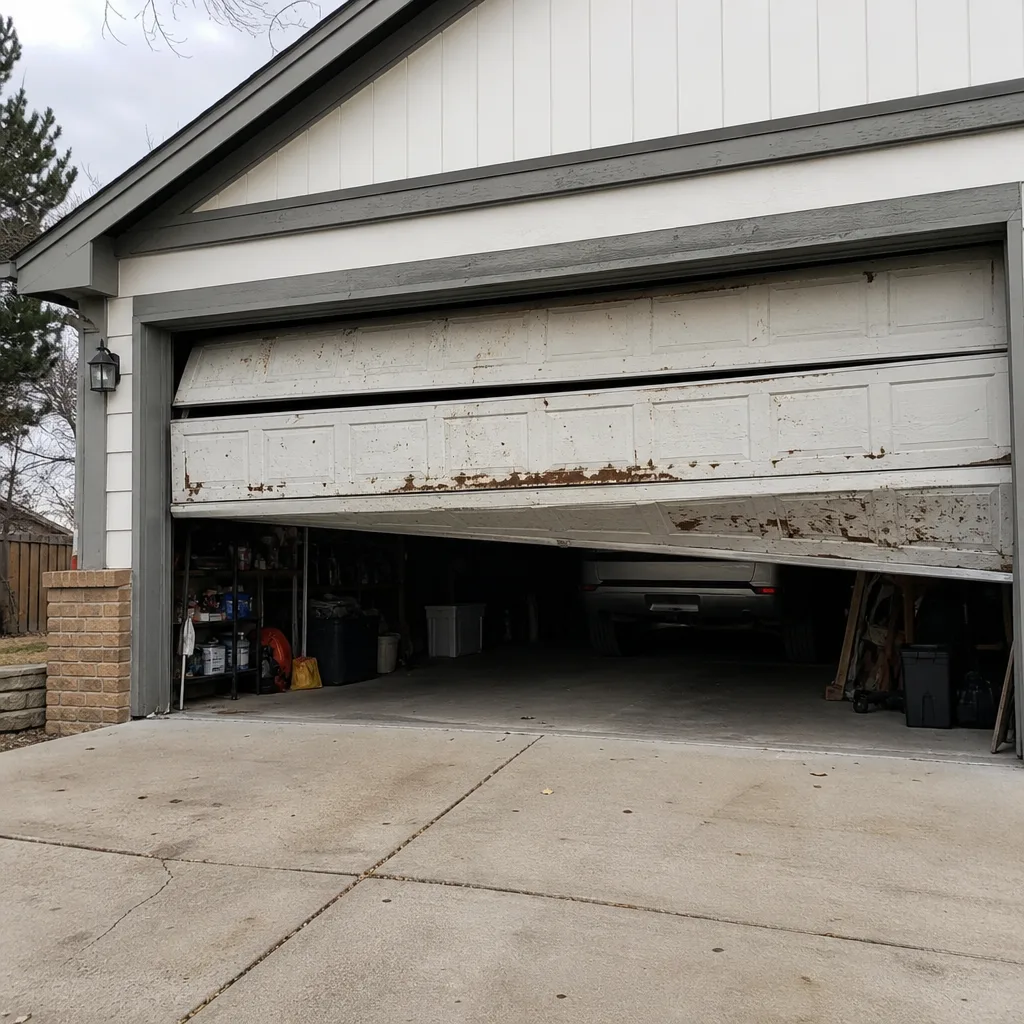 Before
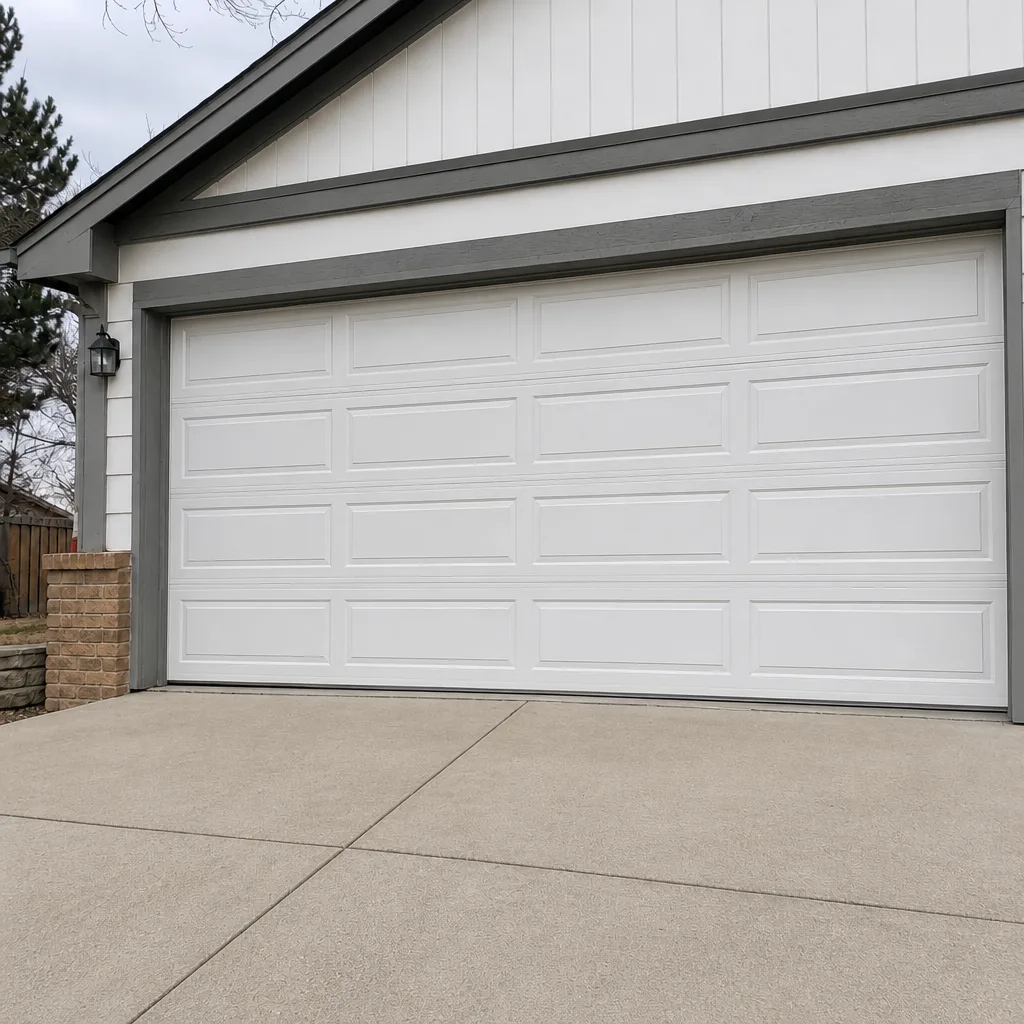 After
 Before
 After
 Before
 After