
Last updated November 15, 2026
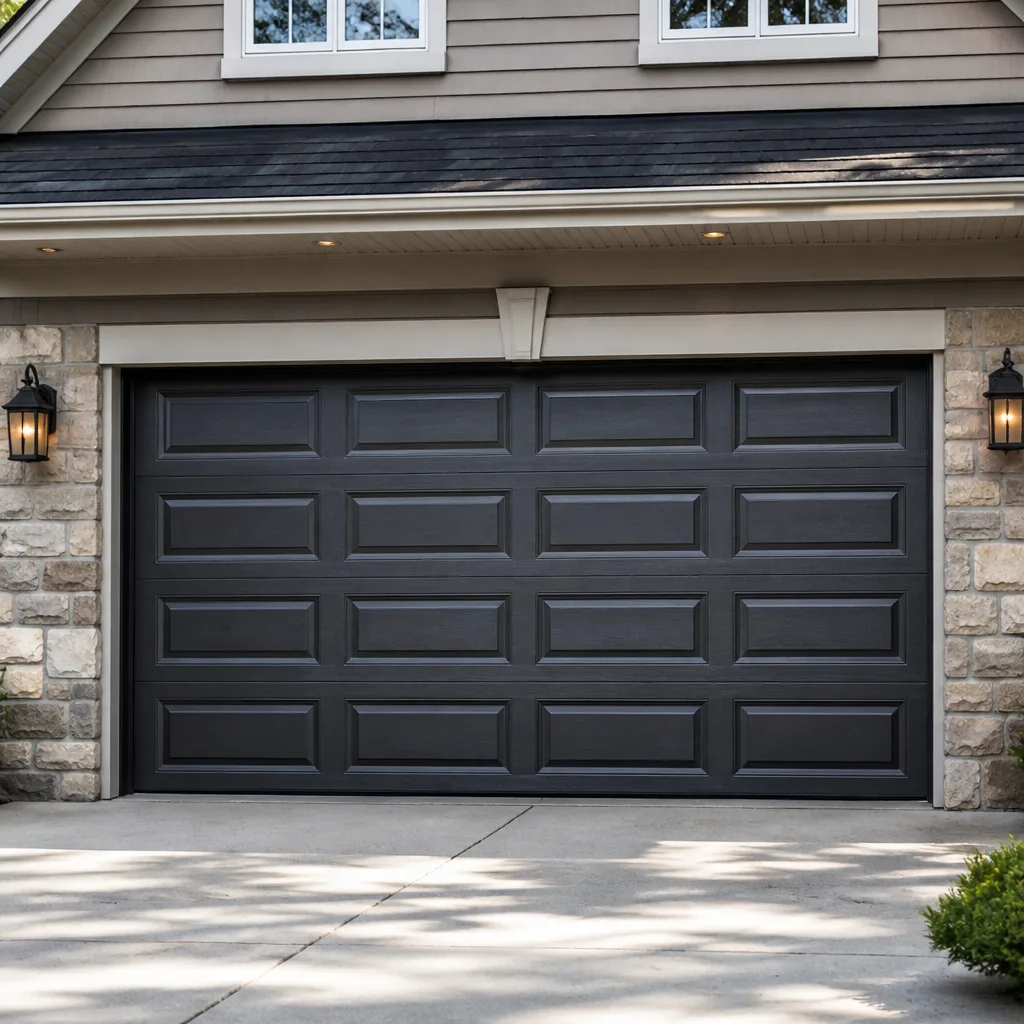 Raised-panel steel
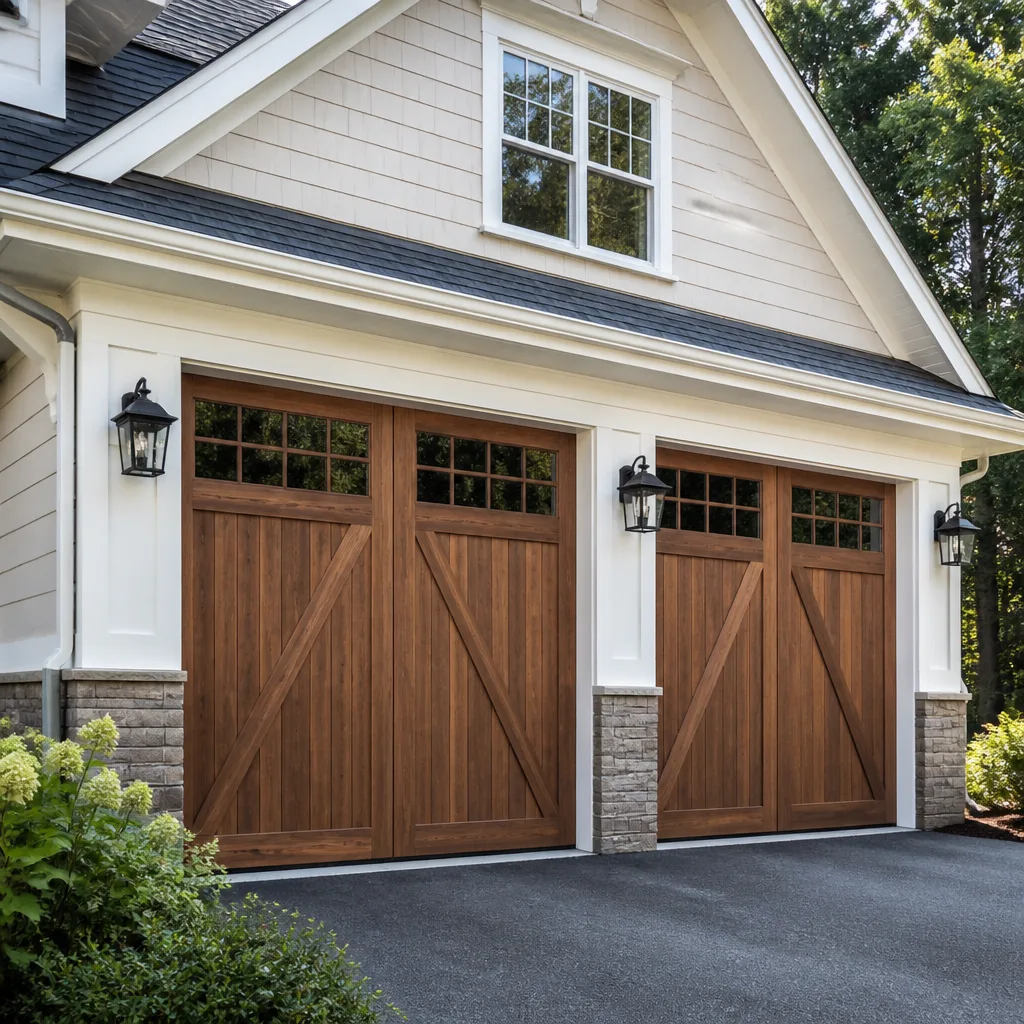 Carriage house
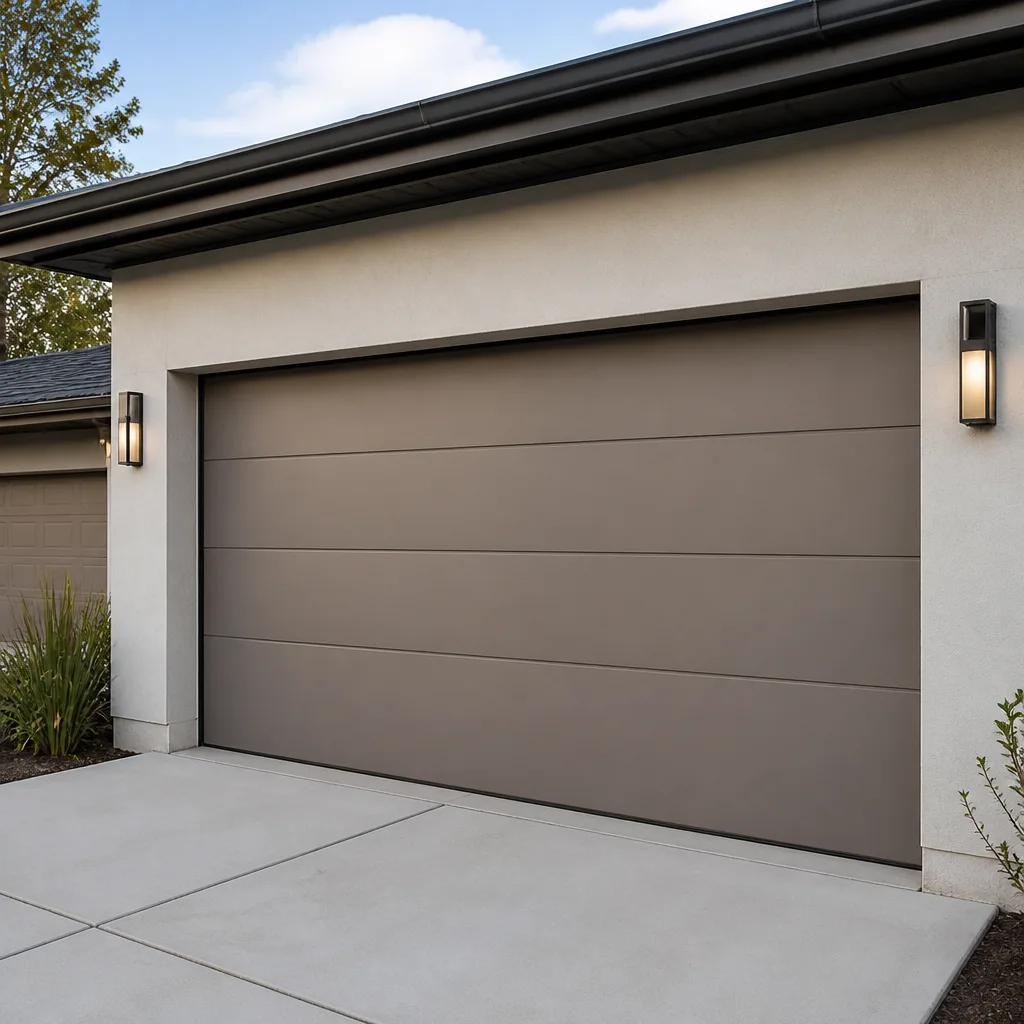 Modern flush
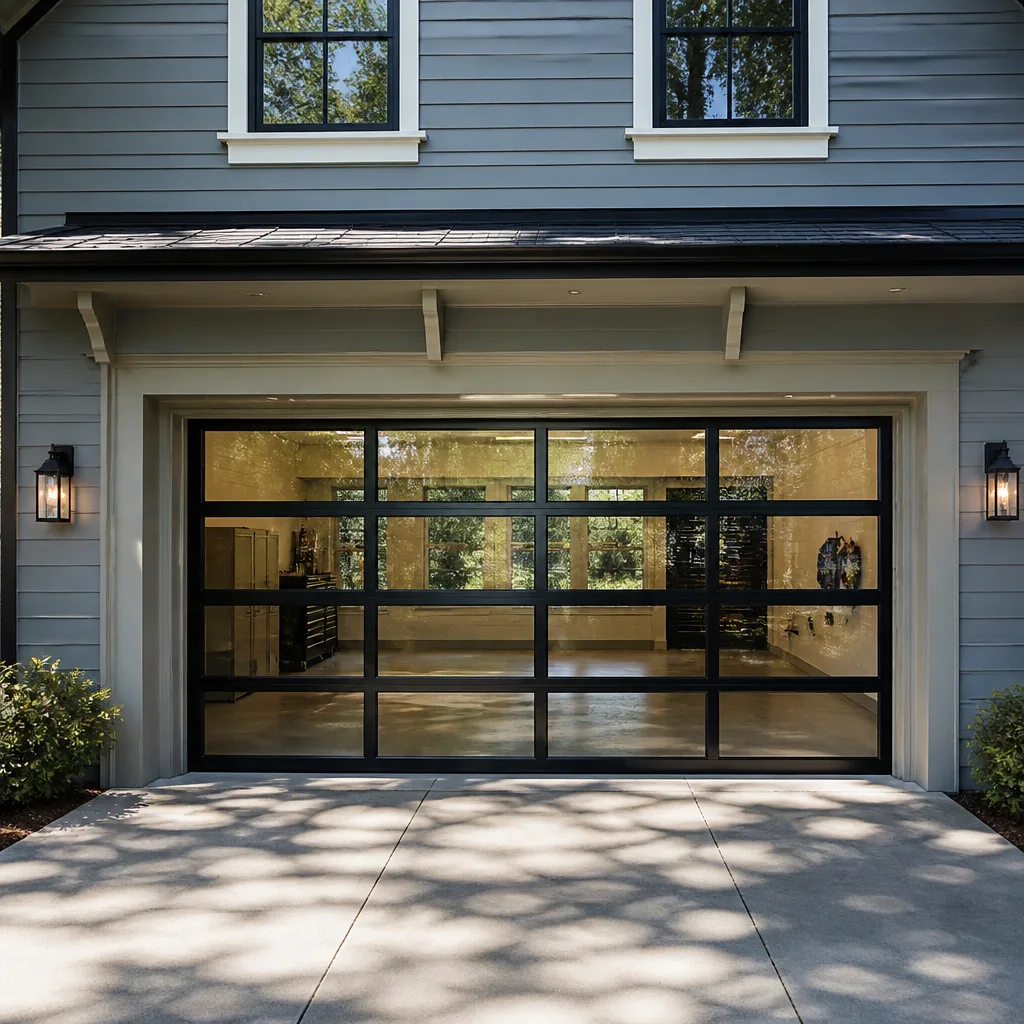 Full-view glass
 LiftMaster openers
 Chamberlain openers
Full 25-point door and opener safety check with every visit - springs, cables, rollers, tracks, and your LiftMaster or Chamberlain opener included
You get a price before we start. It does not change when the pro arrives.
Get your free estimateSeasonal Garage Door Care for Highlands Ranch: Year-Round Homeowner’s Guide
Most garage door problems in Highlands Ranch don’t come from the coldest days of January. They come from the stretch in November when the thermometer swings forty degrees between morning and afternoon, tightening and loosening every spring, hinge, and track bolt over and over until something finally gives. A door that survived a week of single digits can fail the day after a mild one. That’s the counterintuitive part of caring for a garage door on the Front Range: your hardware doesn’t break because of extreme cold, it breaks from the repeated cycling around the freezing mark.
This guide walks you through what actually stresses a door here, season by season, so your checks land when the risk is real instead of when the calendar says spring. We’ll cover pre-winter tension checks, summer sun damage on south-facing doors, what to look at after a wind event, and how spring thaw throws off your bottom seal. By the end you’ll have a task list built around Highlands Ranch weather instead of a generic national checklist.
Quick Answer
The biggest seasonal risk to a garage door in Highlands Ranch is the freeze-thaw head fake in late fall and early spring, when repeated temperature swings fatigue springs and loosen hardware more than deep winter cold does. On top of that, intense high-altitude summer sun chews through finish and seals on south-facing doors, and Front Range downslope winds work the track brackets loose. Run the checks in this guide in October, again in March, and after any major wind day, and you’ll catch most failures before they strand you.
Styles & brands we work with
- Raised-panel steel
- Carriage house
- Modern flush
- Full-view glass
- LiftMaster openers
- Chamberlain openers
Table of Contents
- Why Highlands Ranch Weather Stresses a Garage Door Differently
- The October-November Window: The Highest-Risk Period for Spring Failure
- What a Pre-Winter Tension Check Involves
- Summer Sun and High-Altitude UV: How Heat Affects Steel, Wood, and Composite Panels
- After a Wind Day: What to Inspect on Your Track Brackets
- Spring Thaw, Ground Heave, and Your Bottom Seal
- The Highlands Ranch Season-by-Season Task Calendar
- Common Mistakes to Avoid
Why Highlands Ranch Weather Stresses a Garage Door Differently
A garage door is a mechanical system made mostly of metal, and metal expands and contracts with temperature. In a place like Highlands Ranch, where the same week can bring a mild afternoon and a hard freeze, that expansion and contraction happen far more often than in a climate with steady temperatures. Every cycle flexes the springs a little, works at the bolts, and nudges the door’s alignment. The damage isn’t dramatic on any single day – it’s cumulative.
There’s a second factor specific to this area: elevation. Highlands Ranch sits high enough that the sun is noticeably more intense than at sea level. That means more UV reaching your door and more heat soaking into a south- or west-facing panel through a long summer afternoon. A steel door that would last many years under lowland sun can show finish breakdown and seal cracking sooner up here, and the altitude amplifies both the summer load and the winter dry-out.
Add the wind. The Front Range is known for downslope wind events that push hard against a closed door and rattle an open one. Those gusts don’t just blow dust around; they torque the horizontal track and its brackets. A door that’s been through a few of those storms can develop a track that’s slightly out of true, and a track that’s out of true wears rollers and opens unevenly. Understanding these three stressors – freeze-thaw cycling, high-altitude sun, and wind – is the foundation for everything else in this guide. Once you know what’s working against your door, the seasonal schedule makes sense.
If you own a door built by Clopay, Amarr, Wayne Dalton, or Craftsman, the good news is that all of these brands are built to handle real weather. What fails is the hardware and the seals, not the panel steel, and that’s the stuff you can monitor. When something does go wrong, our garage door repair service is built around exactly this kind of wear.
The October-November Window: The Highest-Risk Period for Spring Failure
Here’s the point that surprises most homeowners: the stretch from October into November is when springs are most likely to break in Highlands Ranch, not the deep cold of January. The reason is temperature swing. Snow and single digits are hard on a person, but a spring handles steady cold fine – it’s the back-and-forth that kills it. During the shoulder season, days can be mild and nights can dip below freezing, and that daily cycle means the torsion spring above your door is coiling and uncoiling in metal that’s constantly changing size.
A torsion spring is under heavy tension at all times, holding the full weight of the door. When the metal contracts in the cold it gets marginally more brittle, and when it warms and expands it moves. Repeat that dozens of times across a few weeks and a spring that was already worn reaches its limit. Springs also simply wear out from normal use – they’re rated for a finite number of cycles, and the shoulder season adds cycles to the count faster than a steady-temperature stretch would.
- Watch for these signs in October and November: a door that feels heavier to lift, a loud bang from the garage, uneven opening, or a visible gap in a coil.
- Don’t lubricate your way around a worn spring. Lubricant quiets squeaks but can’t restore a fatigued spring, and it can mask a problem that needs real attention.
- Treat any sudden failure as a stop. If a spring breaks, the door is unsafe to operate and should stay down until a trained technician addresses it.
We recommend a pre-winter look at the springs before the first real freeze, because a technician can spot fatigue that you can’t see from the floor. This is one of the highest-value seasonal checks you can do on a Highlands Ranch home.
What a Pre-Winter Tension Check Involves
A pre-winter tension check is a visual and hands-on inspection of the door’s spring, cable, and hardware system to confirm nothing is on the edge of failure before the temperature swings begin. A trained technician is looking for worn coils, frayed cables, loose set screws, drum wear, and signs the door is no longer balanced. The goal is to find the parts that are close to their limit and address them on your schedule rather than after a failure.
Here’s how a typical pre-winter service visit works, so you know what to expect:
- Balance check. The technician disconnects the opener and lifts the door by hand to see whether it stays put at mid-height or drifts. A balanced door holds its position; an unbalanced one is a sign the springs are off.
- Spring and cable inspection. Both torsion and extension springs get checked for fatigue, and cables get checked for fraying, kinks, and proper tension.
- Hardware tightening. Hinges, brackets, and the fasteners on the track get checked and snugged. Loose hardware is the most common source of noise and misalignment.
- Weather seal review. The bottom seal and any perimeter weatherstripping get checked for cracks or a poor seal that will let cold air and moisture in.
- Lubrication. Hinges, rollers, and the track get lubricated to reduce friction before the cold sets in.
- Opener test. The opener’s force settings and safety reverse get tested to confirm they’re working correctly with the door’s current balance.
Most of this is inspection and adjustment, which is exactly what you want before the shoulder season. If you’re not sure your door is balanced, that alone is reason to have it looked at. The Banner Garage Door Repair team can run this check and quote any needed work before you commit to it, and the written estimate sets the final price.
Summer Sun and High-Altitude UV: How Heat Affects Steel, Wood, and Composite Panels
Colorado’s high-altitude sun hits garage doors harder than most homeowners realize, and the effect differs by material. A south- or west-facing door absorbs intense solar energy through the summer, which stresses the finish, the seals, and in serious cases the panel itself. The key is knowing what to watch for on the material you own, because steel, wood, and composite each fail differently.
- Steel doors. The paint or powder coat is the shield. When UV breaks it down, moisture gets under the finish and rust starts at seams and the bottom edge. Long exposure on a hot-facing panel can also cause finish to delaminate or bubble. Washing and touching up finish before it fails is what protects a steel door through a Colorado summer.
- Wood doors. Wood moves with humidity and dries out under intense sun, so it’s prone to splitting, checking, and paint failure on sun-facing panels. A fresh coat of exterior finish on a regular rhythm protects the wood far more than any single repair.
- Composite and other synthetic panels. These resist rot and rust well, but they can chalk and fade under UV. The panel holds up; the appearance and the seals around it need attention.
Heat also affects the rubber bottom seal and any vinyl weatherstripping. Summer sun makes these materials brittle and prone to cracking, so a seal that was fine in spring can be dried out by late August. When you check the finish in summer, check the seals at the same time. If you’re weighing a new door against repairs, our garage door repair specialists can tell you honestly whether the panel is worth saving. Repair first, replace only when it makes sense – that’s the standard we hold to.
After a Wind Day: What to Inspect on Your Track Brackets
Front Range downslope winds are strong enough to push on a closed door and rattle an open one, and the part that takes the beating is the horizontal track and its brackets. These winds can develop quickly and hit hard, and a door that’s been through a significant wind event can end up with a track that’s slightly out of alignment even if it looks fine. Once the wind dies down, a quick walk-around can catch the issue before it wears your rollers or strains the opener.
After a major wind day, check these five things:
- Track alignment. Look down the length of each horizontal track. It should be straight and parallel to the door edge. A bend or bow is a problem.
- Bracket tightness. Push gently on the track brackets and mounting points. Anything that shifts or feels loose needs tightening before the door runs again.
- Roller seating. Make sure the rollers are seated in the track and not riding on an edge or popped out.
- Door panel condition. A hard gust can flex a panel and leave a dent or a gap at a seam. Check the panels for new dings.
- Opener behavior. Run the door once and listen. Grinding, uneven travel, or a door that reverses without reason can all trace back to a track knocked out of true.
If a track is bent or a bracket has pulled loose, don’t force the door to run – a door moving on a damaged track can drop or come off the rollers. Our garage door repair technicians handle track and bracket work as routine parts of the job, and it’s the kind of fix that’s much cheaper when you catch it early. If the motor or safety reverse is acting up after a wind event, our garage door opener repair team handles that side of the system too.
Spring Thaw, Ground Heave, and Your Bottom Seal
When the ground thaws in spring, it doesn’t settle evenly, and that matters for an attached garage. The soil around your foundation and driveway shifts as it releases the frost, and that movement can raise or drop the surface right where your door meets the floor. The result is a bottom seal that no longer sits flush – a gap at one corner, a seal that’s riding high in the middle, or a door that suddenly drags at the threshold. It’s not a dramatic failure, but a gap under a garage door lets in water, cold air, and pests, and it’s a real energy issue for the rooms above the garage.
After the spring thaw, check the threshold and seal alignment:
- Close the door and look for daylight under the bottom seal, especially at the corners.
- Check for dragging. Listen for the door catching or rubbing as it seats, which usually means the threshold or the seal has shifted.
- Inspect the seal itself. Cracks, flattening, or a seal that’s pulled loose from the door are all worth addressing.
- Look at the concrete and apron. Cracks or heaved sections near the threshold are the ground movement showing itself.
A bottom seal is a relatively simple part to replace, and doing it before the spring rains makes a real difference in a Highlands Ranch home. If the door is fine but the threshold or the frame has shifted, that’s worth a professional look to see whether the issue is the seal or something structural. A proper seal also helps keep the space above your garage comfortable through the warm months.
The Highlands Ranch Season-by-Season Task Calendar
A calendar built for this climate is more useful than one built around national averages, because the risk windows here don’t line up with a generic checklist. The schedule below is sequenced to when Highlands Ranch weather actually creates risk. Treat it as a general rhythm and adjust to what your door is telling you.
Late fall (October-November): the priority season.
- Have your springs and cables inspected before the first hard freeze.
- Do a balance check – lift the door by hand and confirm it holds.
- Tighten hardware and lubricate hinges, rollers, and track.
- Check the bottom seal and weatherstripping for the cold months ahead.
Winter (December-February): monitoring and clearing.
- Clear snow and ice from the threshold and the bottom seal so the door closes fully.
- Keep the track clear of packed snow and ice that can jam a roller.
- Listen for new sounds; cold makes existing wear more audible.
- Don’t force a frozen door – let it free up before you run the opener.
Spring (March-April): the second shoulder season.
- Repeat the spring, cable, and hardware inspection – this is the second high-risk window.
- Check the bottom seal and threshold for ground heave and gaps.
- Re-lubricate after winter, since cold weather dries out lubricant.
- Test the opener’s safety reverse as part of the check.
Summer (May-September): sun and heat load.
- Wash the door and inspect the finish on south- and west-facing panels.
- Touch up or refinish paint before rust or splitting starts.
- Check seals for cracking and brittleness from UV exposure.
- After a wind event, run the five-point wind check above.
That’s the rhythm. The two shoulder seasons matter most, but the summer sun and summer wind work on the door the whole time. Our Highlands Ranch team has watched this cycle play out across the area’s neighborhoods season after season, and the pattern is consistent.
Common Mistakes to Avoid
- Ignoring the November shoulder season. Waiting until a spring snaps to think about the door is the single most common error. The temperature swing in October and November is when fatigue sets in, so a pre-winter check catches it.
- Assuming deep cold is the danger. A mild, swinging day is harder on a metal spring than a steady cold snap. Base your checks on the swings, not the calendar.
- Skipping the spring thaw check. Many homeowners inspect in fall and forget the ground heave that throws off the bottom seal after the thaw. A gap that lets in water and cold air is worth catching in March.
- Running the door on a damaged track. A wind event can bend a track, and forcing the door to run on it wears rollers and can cause a serious problem. If the door runs unevenly or a bracket is loose, stop and get it looked at.
- Using lubricant as a substitute for repair. Lubrication quiets noise but doesn’t fix a worn spring or a bent track. Treat it as maintenance, not a fix.
- Ignoring summer sun damage on a south-facing door. Finish breakdown from high-altitude UV is easy to miss until the paint is peeling or the wood is splitting. Check and touch up the finish in early summer.
- Forgetting the opener in all this. The opener is a system component, not a separate appliance. Test its force settings and safety reverse alongside the door check, or have them tested together.
See the difference
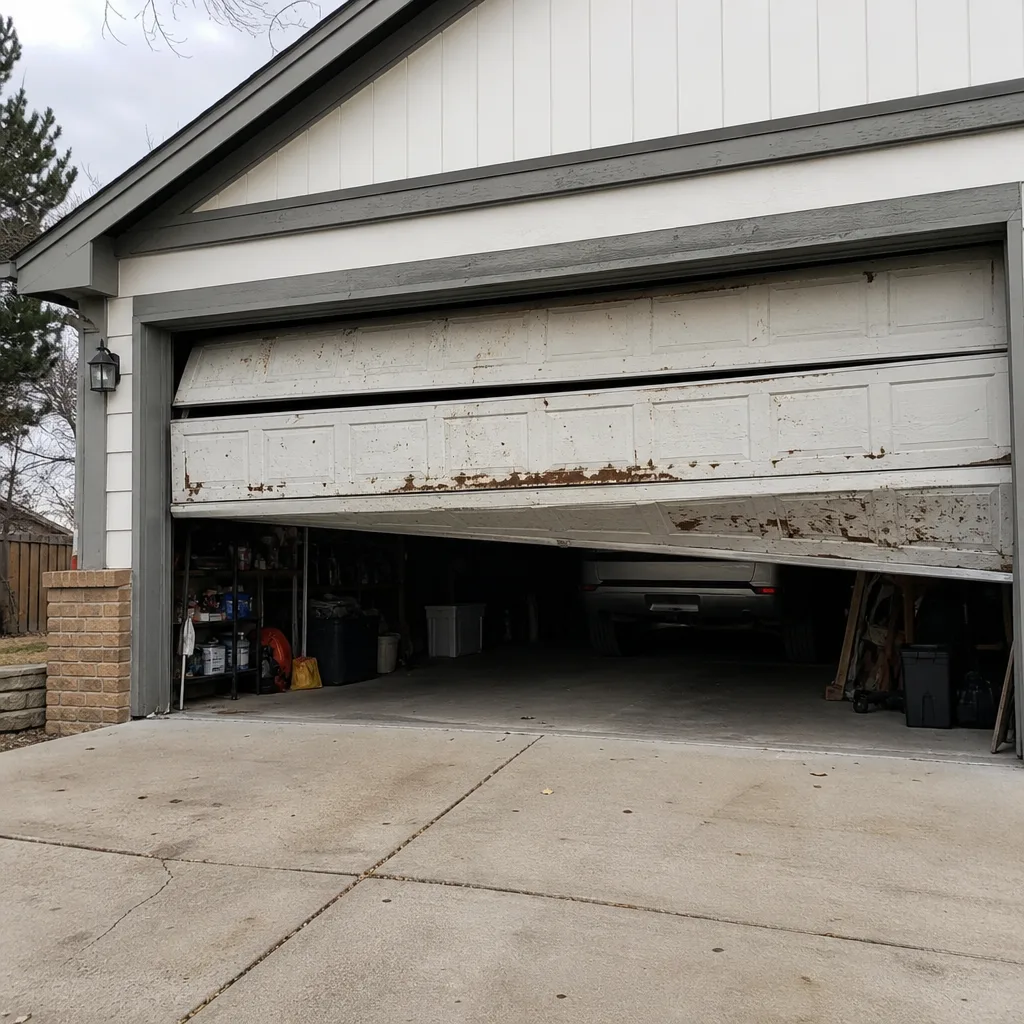 Before
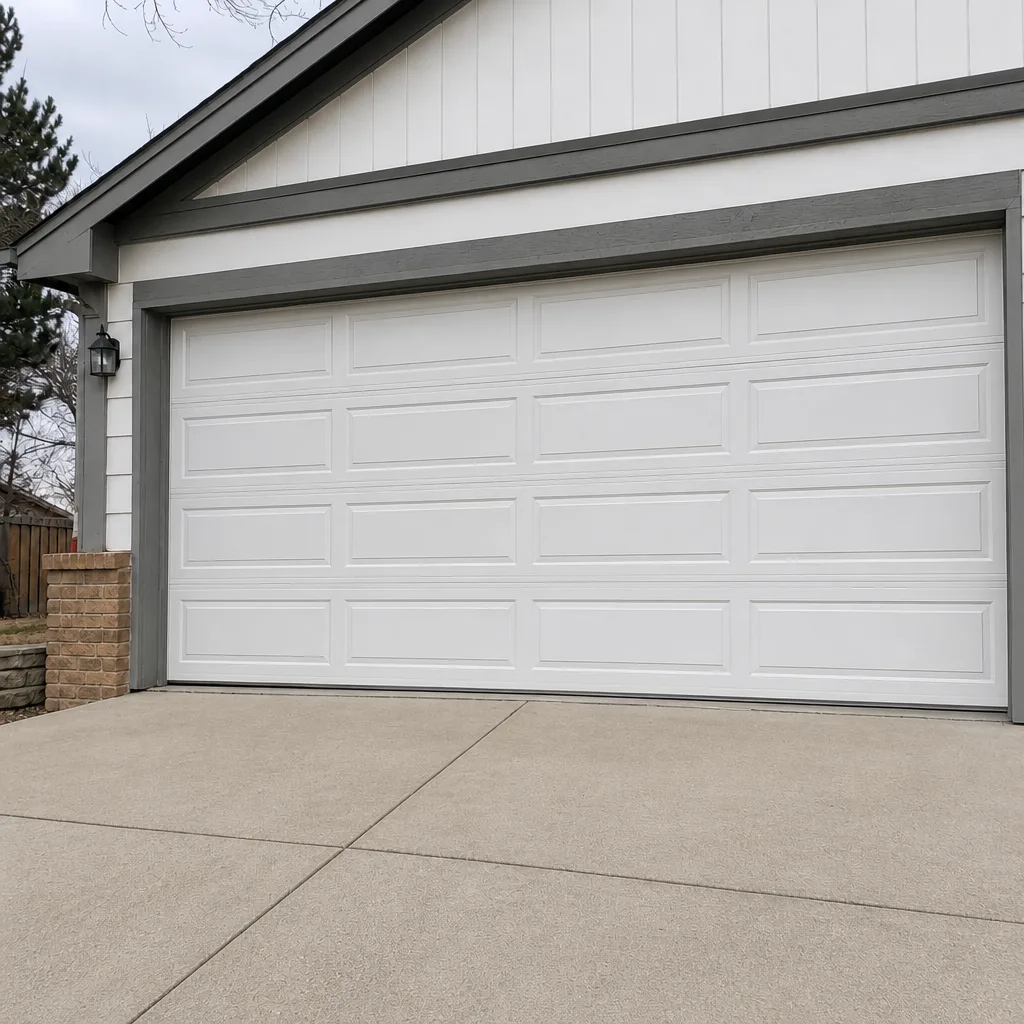 After
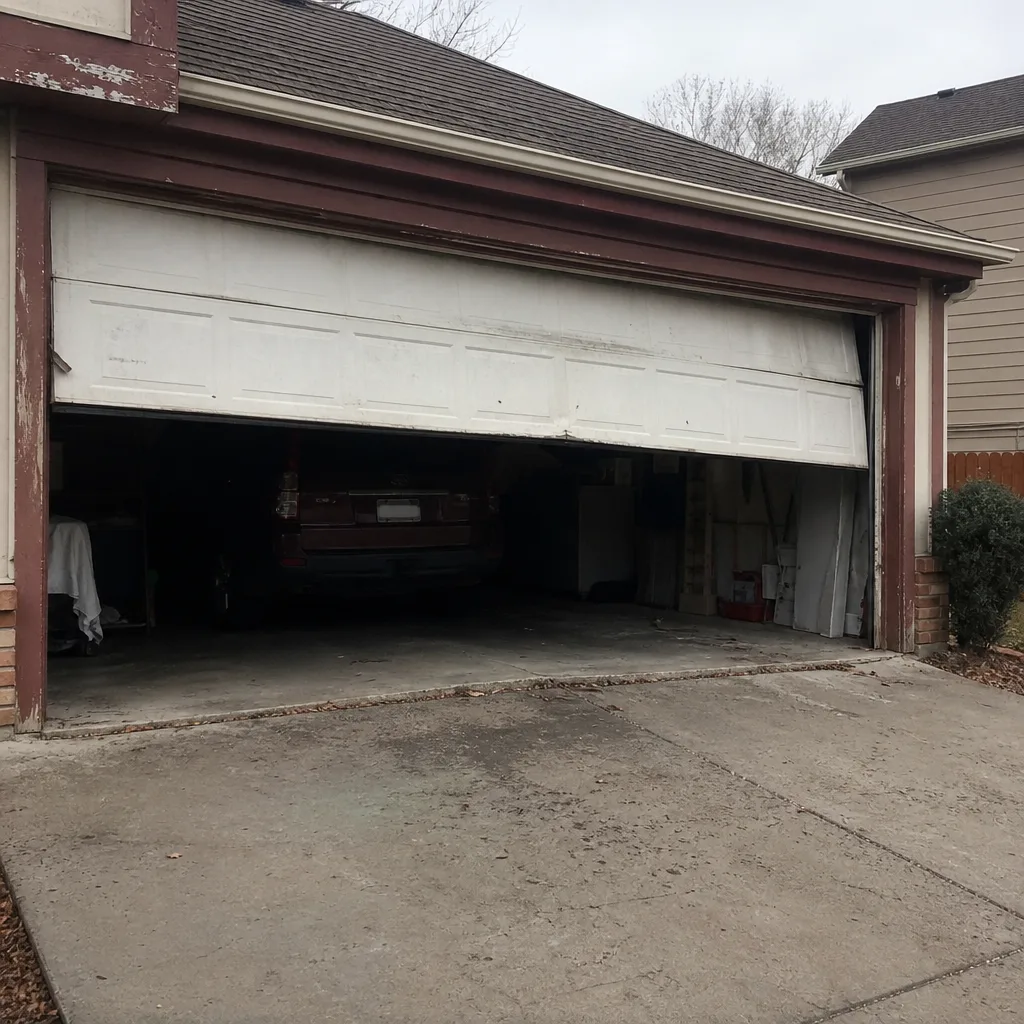 Before
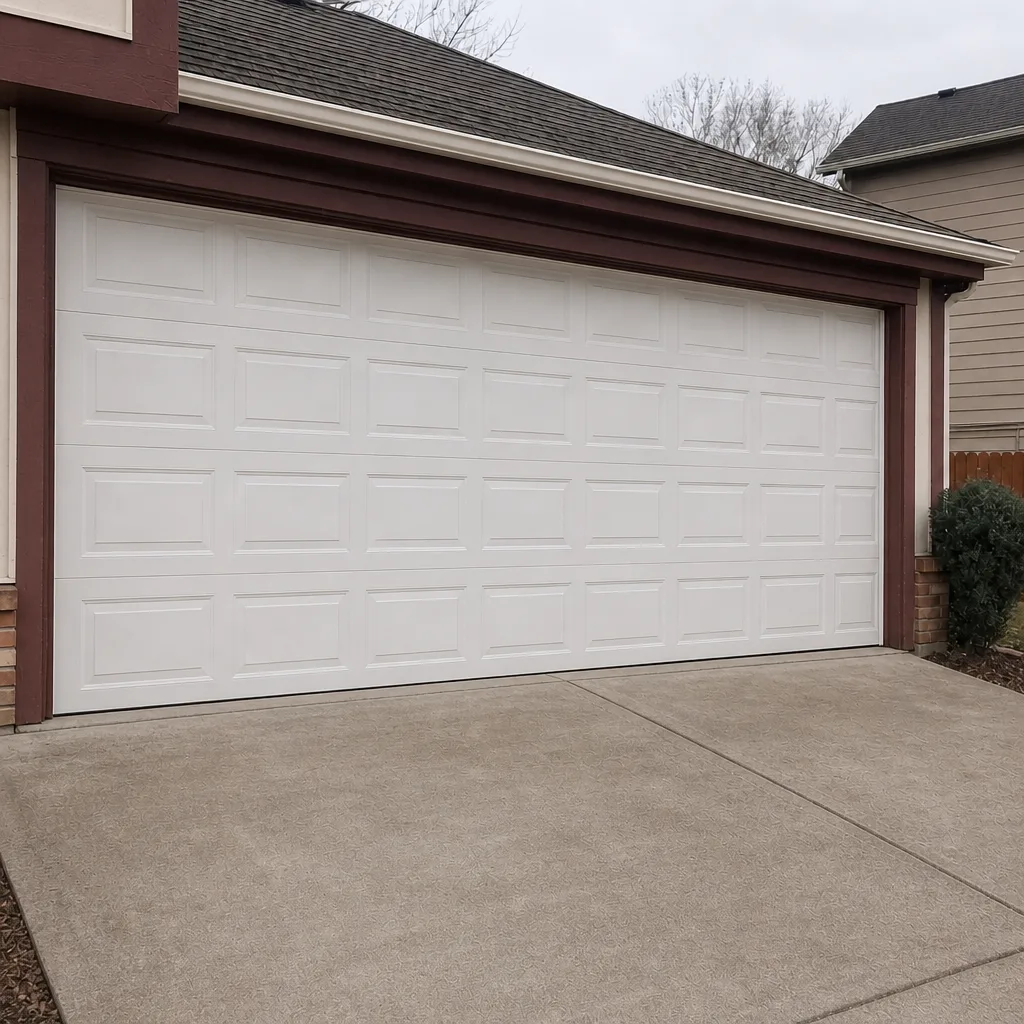 After
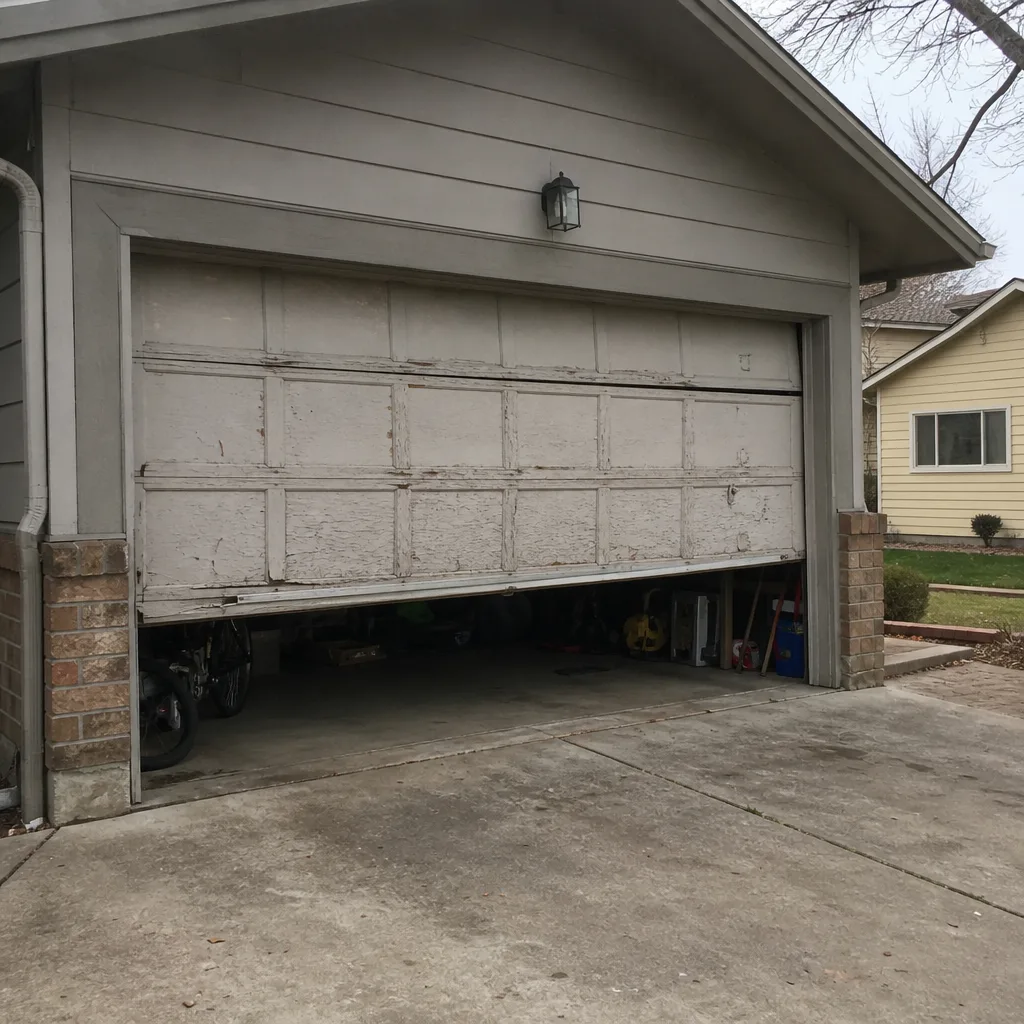 Before
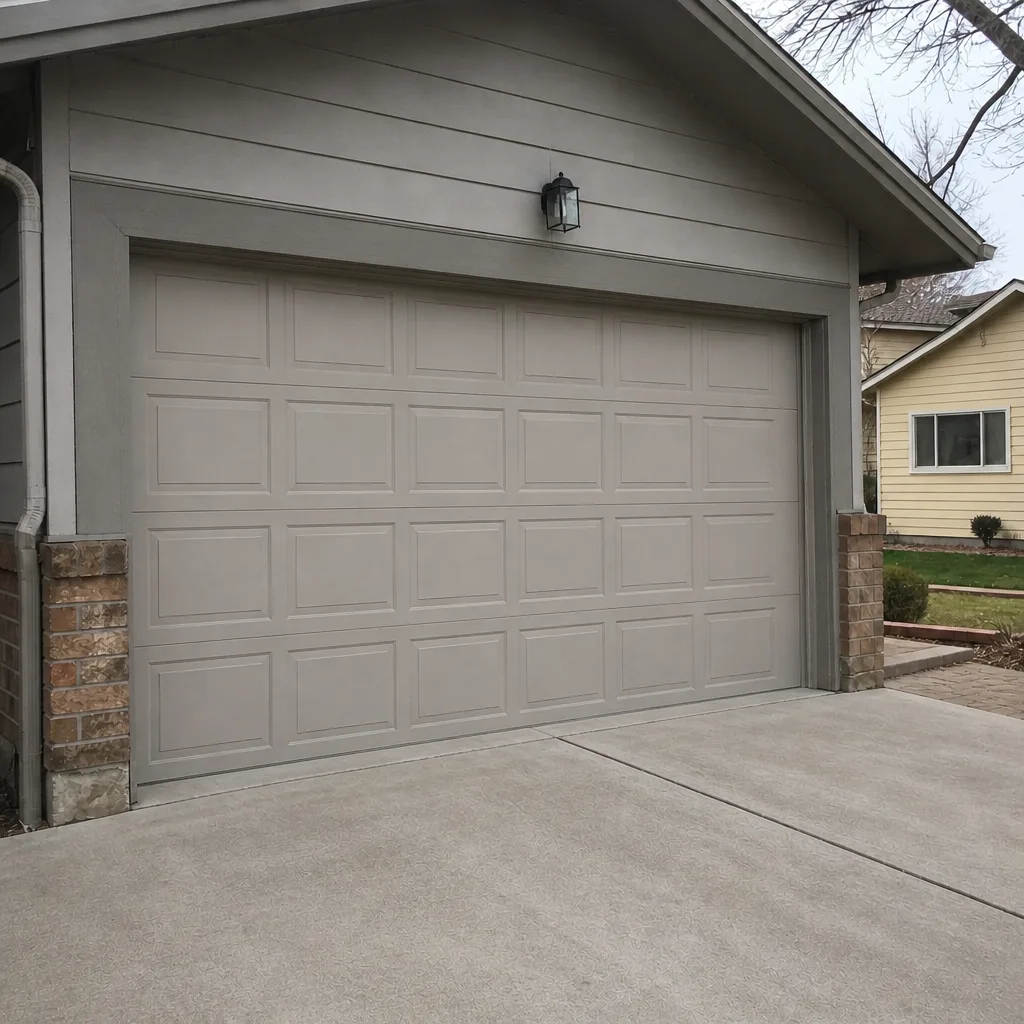 After
When to Call a Professional
A seasonal checklist handles the routine parts, but some jobs need a trained technician. Call us if a spring snaps or the door comes down hard, if the door won’t balance or runs unevenly, if a wind event leaves a track bent or a bracket loose, if the opener reverses on its own or runs the door erratically, or if you’re simply not sure what you’re looking at under the door. Springs and cables are under heavy tension, and working on them without the right tools and training is genuinely dangerous, so leave that to a professional. Electrical work on the opener and its wiring is the same story.
Banner Garage Door Repair offers free estimates in Highlands Ranch – call (844) 761-2567. We answer 24/7. Fast dispatch from 7am to 7pm, Sunday through Friday. We can run a full seasonal check, quote any repair in writing before work starts, and tell you honestly whether repair or replacement makes more sense. One call covers the whole system – door, hardware, and opener – and we work on what you already have, whether it’s a LiftMaster, Chamberlain, Genie, Clopay, Amarr, Wayne Dalton, Craftsman, or Raynor system.
Frequently Asked Questions
Late fall and early spring, during the freeze-thaw swings, are when springs are most likely to fail. The repeated temperature change between mild afternoons and freezing nights works metal hardware harder than steady cold does. Get a pre-winter check in October or November to catch worn springs before they break. Call (844) 761-2567 for a free estimate before the shoulder season.
Pricing depends on the door and the spring, so we quote it per job with a written estimate before any work begins. The written quote is the final price – there’s no surprise on the invoice. Call (844) 761-2567 and we’ll send a technician to look at your door and give you an exact figure. Estimates are free.
Twice a year is the general rhythm that fits this climate, once before the late-fall shoulder season and again after the spring thaw. That timing lines up with the two windows when the door is under the most stress and when the seal and threshold need checking. If you run the door heavily or have a south-facing door, an extra summer look at the finish is worth it. Call (844) 761-2567 to set up a seasonal check.
You can look for visible signs – a gap in a coil, a door that won’t lift, or a loud bang you heard from the garage – but you should not work on the spring itself. Springs are under heavy tension and can cause serious injury if handled without the right tools and training. If you suspect a broken spring, keep the door down and call a professional. Call (844) 761-2567; we answer 24/7.
Look at the horizontal track for bends, feel the brackets for looseness, and make sure the rollers are seated. Then run the door once and listen for grinding or uneven travel. Front Range downslope winds can knock a track out of alignment even when nothing looks wrong from a distance. If something seems off, don’t force it – call (844) 761-2567 for a look.
No – the price is set by the written estimate you agree to before any work starts. If a technician finds something that changes the job, that’s discussed and quoted first, not added afterward. Call (844) 761-2567 for an exact quote; estimates are free.
The Bottom Line
Your garage door’s real enemy in Highlands Ranch isn’t January cold – it’s the temperature swing that comes before it. Build your checks around the shoulder seasons, add a summer look at UV damage and seals, and run the wind check after any big Front Range event. Springs, tracks, brackets, and seals are the parts that wear, and they all wear faster when the weather can’t make up its mind. A pre-winter tension check in October or November and a post-thaw seal check in March catch most of it before you’re stuck with a door that won’t open. That’s the whole strategy: care when the risk is real, not just when the calendar says so.
Call (844) 761-2567 for a free estimate. We answer 24/7. Fast dispatch from 7am to 7pm, Sunday through Friday.
Written by the team at Banner Garage Door Repair.